

Last Updated: November 21, 2026
Quick Summary
Remove stains from polyester tablecloths by lifting, not scrubbing: blot liquids, scrape solids, and treat each stain by type before washing. Pre-treat with dish soap for grease, vinegar and cold water for wine or coffee, and enzyme detergent for protein stains, then wash in cold water on a gentle cycle and air dry or tumble dry low.
- Test every treatment on a hidden hem first and wait five minutes for color loss or dulling.
- Never put a stained cloth in the dryer, because heat sets grease, protein and tannin stains permanently.
- For set-in stains, presoak in cold water with mild detergent for 30 minutes to an hour and repeat the cycle.
- Work dish soap into dry fabric first for old grease stains, letting it sit 10 to 15 minutes before rinsing.
- Use oxygen-based color-safe bleach on white polyester, since chlorine bleach can yellow and weaken the fabric.
Table of Contents
- Start With the Care Label and Fabric Blend
- How to Remove Stains From Polyester Tablecloths: A Stain-by-Stain Guide
- How to Wash Polyester Tablecloths After Treating a Stain
- How to Get Old Stains Out of Tablecloths
- How to Remove Old Grease Stains From Tablecloth
- How to Wash White Tablecloths With Stains
- Safe Product Combinations and Polyester Cautions
- Shop Polyester Tablecloths Built for Repeat Washing
- Frequently Asked Questions
Start With the Care Label and Fabric Blend
The fastest way to ruin a polyester tablecloth is to treat it like cotton. Polyester holds color well and resists wrinkles, but heat and harsh chemicals can set a stain or damage the fibers. New Creations Fabric & Foam Inc sells 100% spun polyester poplin tablecloths built for event use.
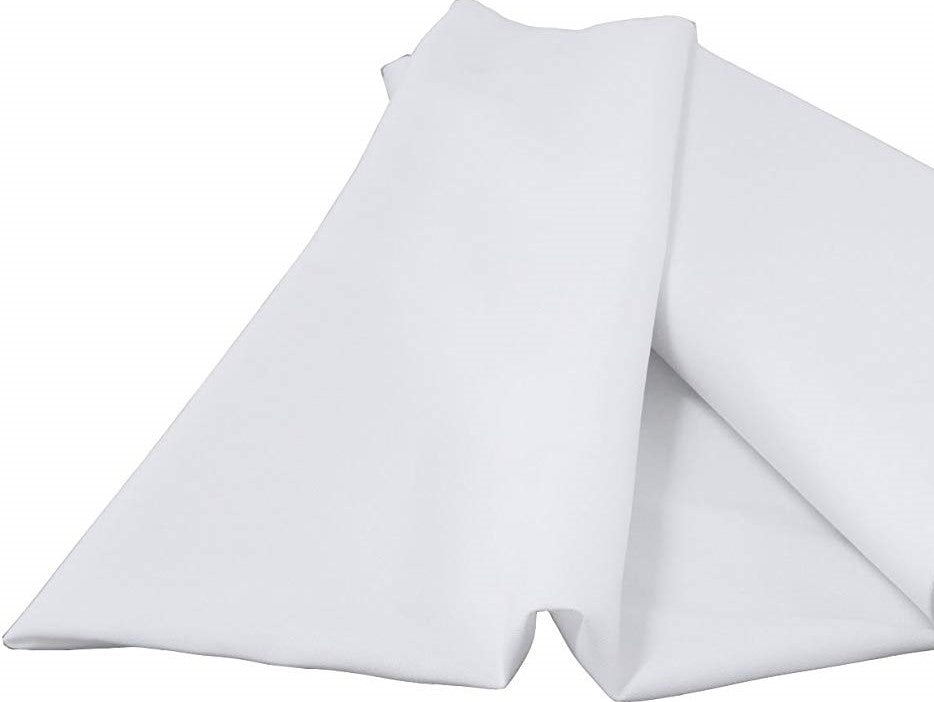
Our polyester poplin tablecloths are 100% polyester and carry a cold machine wash and tumble dry low instruction. If you are comparing blends, our article on linen versus linen blend explains how fiber mixes behave. You can also see the actual white woven polyester poplin fabric we reference throughout this guide.
How to Remove Stains From Polyester Tablecloths: A Stain-by-Stain Guide
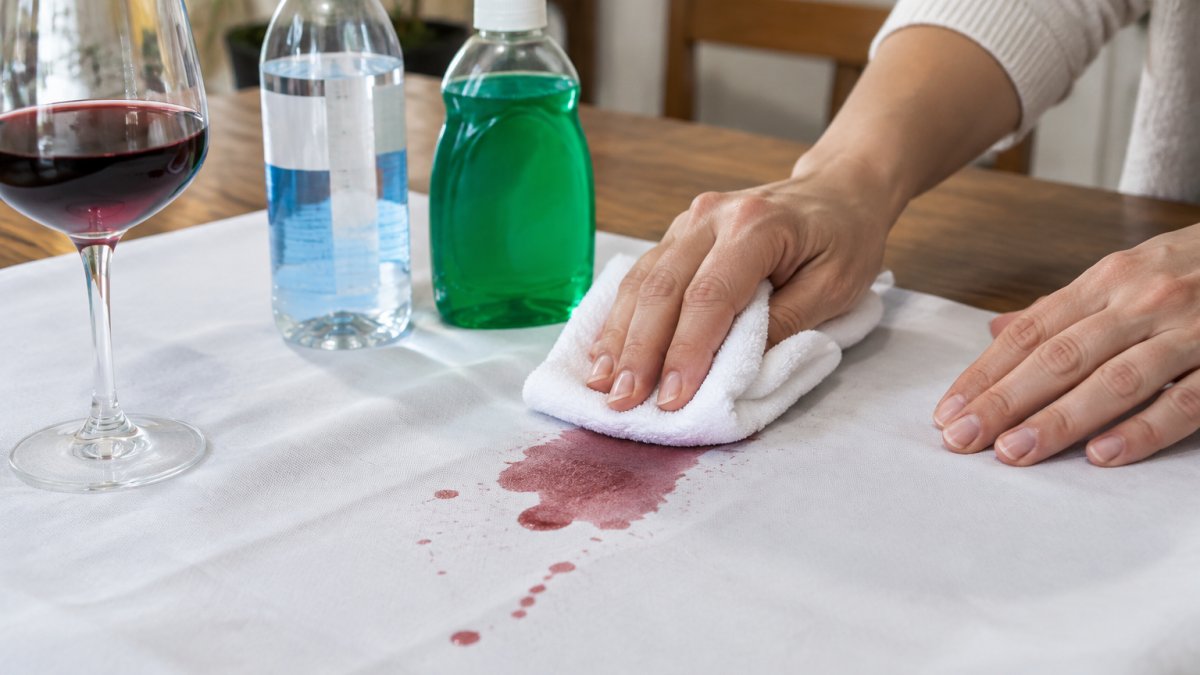
Removing stains from polyester tablecloths comes down to one rule: lift, don't scrub. Scrubbing pushes the stain deeper into the fibers and can fray the surface. Blot liquids, lift solids, and work from the outside of the stain inward.
Most guides treat every spill the same way, but polyester does not respond that way.
Grease and Oil Stains
Grease and oil need a degreasing agent before water. Blot up what you can with a dry cloth. Then apply a drop of dish soap directly to the stain and work it in gently with your fingers. Let it sit for a few minutes, then rinse with warm water. For heavier oil stains, sprinkle baking soda or cornstarch on the spot first to absorb the grease, brush it off, then follow with dish soap.
Red Wine Stains
Blot the spill immediately with a clean white cloth, working from the outside in so the wine does not spread. Do not rub. Cover the stain with a thin layer of salt or baking soda to pull moisture out of the fibers, let it sit for 10 to 15 minutes, then brush it off.
Coffee and Tea Stains
Blot the spill right away. Mix one part white vinegar to three parts cold water, apply it to the stain, and blot. For milk-based coffee drinks, follow the vinegar treatment with a small amount of enzyme detergent to break down the protein. Rinse with cold water. Avoid hot water on coffee and tea until the stain is gone, because heat can set the tannins in polyester.
Ink Stains
Ink is the stain most likely to spread if you attack it with water first. Do not blot a fresh ink stain with a wet cloth. Instead, dab the stain with a cotton ball or clean cloth dipped in isopropyl rubbing alcohol, working from the outside in and changing the cotton ball as it picks up color. Test the alcohol on a hidden hem first, because some printed or coated polyester finishes can dull.
Blood Stains
Blood is a protein stain, and hot water will set it permanently in polyester. Flush the stain with cold water from the back of the fabric so the water pushes the blood out rather than through the cloth. Apply a small amount of enzyme detergent or a paste of cold water and laundry detergent, let it sit for 15 minutes, then rinse with cold water. Repeat until the stain fades.
Tomato Sauce and Ketchup Stains
Scrape off any solids with a spoon or dull knife. Flush the area with cold water from the back of the fabric. Apply a drop of dish soap and a sprinkle of baking soda, work it in gently, and let it sit for 10 minutes. Rinse with cold water. For a sauce stain that has dried, presoak the area in cold water with a small amount of detergent for 30 minutes before washing.
Chocolate and Dessert Stains
Scrape off solids, then apply a small amount of dish soap to the stain and work it in gently. Chocolate contains both fat and protein, so follow the dish soap with an enzyme detergent and a cold-water rinse. For stubborn chocolate, apply a baking soda paste and let it sit for 15 minutes before rinsing. Wash as normal and check before drying.
Test Every Treatment First
Polyester holds color well, but coated, printed, and specially finished tablecloths can react to vinegar, alcohol, or enzyme detergents. Test any treatment on a hem or hidden corner first: apply a small amount, wait five minutes, and check for color loss, dulling, or finish damage. If the test area changes, use a milder option such as plain dish soap and cold water.
How to Wash Polyester Tablecloths After Treating a Stain
Once you have pre-treated the stain, wash the tablecloth in cold water on a gentle cycle. Use a mild laundry detergent unless the care label allows otherwise. A low spin helps protect the cloth’s finish, while ink marks may need a different approach; LaundrPro offers more on treating ink stains on polyester.
Air dry or tumble dry low. Never use high heat on a stain that hasn't fully lifted.
How to Get Old Stains Out of Tablecloths
Set-in stains need patience, not force. The mistake most people make is scrubbing harder or reaching for a stronger chemical after the first wash fails.
Start by presoaking the tablecloth in cold water with a small amount of mild detergent for 30 minutes to an hour. For stubborn stains, make a paste of baking soda and water, apply it to the stained area, and let it sit for 15 to 20 minutes before rinsing.
When to Repeat Treatment and When to Stop
After each wash, check the stain while the fabric is still damp, since a damp stain is easier to see. If it is lighter but still present, repeat the same treatment.
Watch out: never tumble-dry or iron a tablecloth that still shows a stain. Heat can set the stain permanently, turning a fixable mark into an unfixable one. Air-dry until you have confirmed the stain is gone.
Set-In Grease and Oil
Old grease stains are the hardest to beat, but they respond to a simple routine. Work dish soap into the dry fabric first, before adding any water, so the soap can reach the oil. Let it sit for 10 to 15 minutes. Then rinse with warm water and repeat if needed. For very old grease, apply a baking soda paste over the dish soap and let it draw out the oil overnight.
Set-In Protein and Tannin Stains
For old blood, dairy, or egg stains, soak the area in cold water with an enzyme detergent for 30 minutes, then wash on a gentle cycle. For old wine, coffee, or tea stains, soak in a one-to-three vinegar-and-cold-water solution for 30 minutes before washing. Do not use hot water on either category until the stain is gone, because heat sets both protein and tannin stains in polyester.
Set-In Ink Stains
Dried ink needs solvent, not water. Dab the stain with isopropyl rubbing alcohol on a cotton ball, working from the outside in and changing the cotton ball as it picks up color. Repeat two or three times, then follow with dish soap and a cold-water rinse. Test the alcohol on a hidden hem first, because some printed or coated polyester finishes can dull.
White Versus Colored Polyester
White polyester tablecloths give you more options for old stains, but bleach is not the first answer. Start with an oxygen-based color-safe bleach, which is gentler on polyester fibers than chlorine bleach. Chlorine bleach can yellow white polyester over time and weaken the fabric. Soak the cloth in cold water with oxygen bleach, then wash on a gentle cycle.
How to Remove Old Grease Stains From Tablecloth
Old grease stains are the hardest to beat, but they respond to a simple routine. Work dish soap into the dry fabric first, before adding any water, so the soap can reach the oil. Let it sit for 10 to 15 minutes. Then rinse with warm water and repeat if needed. For very old grease, apply a baking soda paste over the dish soap and let it draw out the oil overnight.
How to Wash White Tablecloths With Stains
White polyester tablecloths give you more options, but bleach is not the first answer. Start with an oxygen-based color-safe bleach, which is gentler on polyester than chlorine bleach, which can yellow white polyester over time and weaken the fabric. Soak the cloth in cold water with oxygen bleach, then wash on a gentle cycle. For food and drink stains on white cloth, the vinegar solution and dish soap methods above still apply.
Safe Product Combinations and Polyester Cautions
Mixing cleaning products can be risky. Never combine chlorine bleach with ammonia or vinegar, because the mix releases harmful fumes. Keep vinegar and baking soda separate until you apply them, since they react on contact. Avoid high heat from irons or dryers on a stain, because heat sets many stains permanently. Test every product on a hidden corner first. Our 36x36 square poly poplin tablecloth and other linens are built to handle repeated washing.
| Stain Type | First Step | Best Agent | Watch Out For |
|---|---|---|---|
| Grease and oil | Blot, then absorb | Dish soap, baking soda | Heat sets grease |
| Wine and coffee | Blot immediately | Vinegar and cold water | Scrubbing spreads stain |
| Food and protein | Scrape off solids | Enzyme remover | Hot water sets protein |
| Old set-in stain | Presoak 30-60 min | Detergent soak, repeat | Ironing locks it in |
| White cloth stains | Soak in cold water | Oxygen bleach | Chlorine yellows polyester |
Shop Polyester Tablecloths Built for Repeat Washing
A tablecloth that handles repeated cleaning is a practical choice for events. If you need a large seamless option, the 90 by 108 rectangular polyester poplin tablecloth covers a standard banquet table with a full drape.
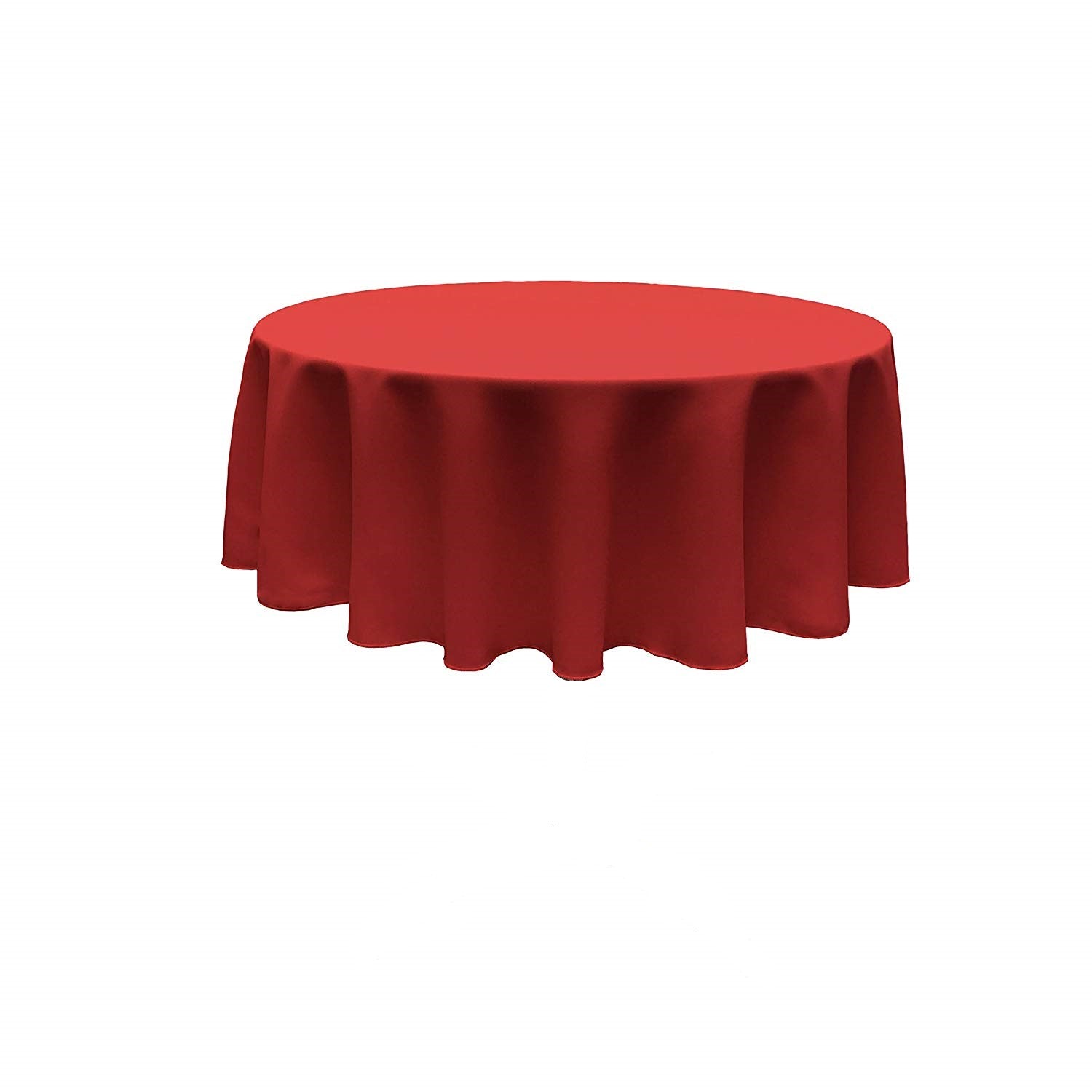
For round tables, the 90 inch round seamless polyester poplin tablecloth holds its shape wash after wash. Both are made in the USA from 100% spun polyester and withstand professional cleaning detergents.
Stains happen at every event, but they don't have to end a tablecloth's life.
Frequently Asked Questions
What gets stains out of 100% polyester?
Most fresh stains lift with a mix of warm water and a few drops of dish soap, applied with a clean white cloth and blotted from the outside in. For grease, apply dish soap directly and let it sit for 10 minutes before rinsing. For wine or coffee, blot first, then use a vinegar solution. Polyester tablecloths from New Creations are colorfast and withstand various cleaning chemicals, but always test any strong product on a hidden corner first.
Can you use vinegar to remove stains from polyester?
Yes. A vinegar solution of one part white vinegar to two parts water works well on coffee, wine, and other organic stains. Apply it to the stained area, let it sit for 10 to 15 minutes, then blot and rinse. Skip vinegar on grease stains, since it does not break down oil. Never mix vinegar with bleach; the combination releases harmful gas. Rinse thoroughly before washing polyester tablecloths in the machine.
Can you put a stained polyester tablecloth in the dryer?
No. Heat sets stains into fabric fibers, so a stain that survives the wash will become much harder to remove after drying. Air-dry the tablecloth or tumble on low only after you have confirmed the stain is gone. Check the care label first; most polyester poplin tolerates tumble dry low, but any remaining mark should be re-treated and washed again before it sees heat.
How do you remove yellow stains from a white polyester tablecloth?
Yellowing usually comes from age, storage, or set-in organic residue. Soak the tablecloth in warm water with an oxygen-based bleach (never chlorine bleach, which can yellow polyester) for 30 to 60 minutes, then wash on a gentle cycle. For stubborn yellowing, make a baking soda paste, apply it to the stained area, and let it sit before rinsing. Repeat treatment rather than raising the heat.
