

Table of Contents
- Why Dye Bleeding Happens and How to Prevent It
- How to Test Fabric for Colorfastness Before Washing
- Sort Clothes by Color and Fabric Type
- Washing New Clothes to Prevent Color Bleeding
- Use Color Catcher Sheets for Laundry Protection
- How to Remove Dye Transfer from Clothes
- Common Mistakes to Avoid When Preventing Dye Bleeding
- Frequently Asked Questions
Last Updated: October 10, 2026
Why Dye Bleeding Happens and How to Prevent It
Dye bleeding occurs when loose dye particles escape from fabric fibers during washing and transfer onto other garments. This happens most often with new clothes, dark colors, and fabrics with unstable dyes. The best way to prevent dye bleeding in laundry is to stop loose dye from spreading before it transfers. Understanding what causes the problem helps you choose the right prevention strategy for your specific situation.
New dyes require time to set properly into fabric fibers. When you wash new garments, water penetrates the fibers and loosens excess dye. Cold water slows this process, while hot water accelerates it. Certain fabrics, particularly cotton, linen, and synthetic blends, release dye more readily than others.
Prevention starts with sorting and preparation, not just during the wash cycle. The steps we'll cover below address the root cause: keeping loose dye contained before it contacts other clothes.
How to Test Fabric for Colorfastness Before Washing
Testing fabric for colorfastness tells you whether a garment will bleed before you put it in the washing machine. A simple colorfastness test takes just a few minutes and saves you from ruined loads.
Here's how to test a garment:
- Fill a small bowl with cold water
- Add a drop of mild detergent
- Submerge a hidden corner of the fabric (inside seam or hem) for 3-5 minutes
- Remove the fabric and check the water for color
- If the water is clear, the dye is stable. If it's tinted, the garment will bleed
For darker fabrics, repeat the test with hot water. If dye releases in hot water but not cold, you know to wash that item separately in cold water only. This simple test identifies problem garments before they damage your entire load.
Colorfastness varies by dye type and fabric blend. A red cotton shirt may bleed heavily while a red polyester blouse stays stable. Testing removes guesswork and lets you make informed decisions about sorting and washing temperatures.
Sort Clothes by Color and Fabric Type
Sorting by color is the foundation of preventing dye transfer, but effective sorting also requires understanding how fabric fiber, dye type, and garment construction affect dye stability. A one-size-fits-all approach to sorting misses critical distinctions that determine whether items can safely wash together.
Color-based sorting fundamentals:
Separate whites, lights, darks, and brights into distinct loads. Within each load, further separate by fabric type: delicate items away from sturdy cottons, and synthetics away from natural fibers when possible. This basic rule prevents the most obvious transfer incidents, but it doesn't account for dye chemistry or fiber behavior.
How fiber type affects dye stability:
Natural fibers like cotton and linen absorb and release dye differently than synthetics. Cotton and linen are cellulose-based and accept fiber-reactive dyes (the most common in consumer clothing) through chemical bonding. These dyes require time to cure fully, which is why new cotton garments bleed more than aged ones.
Blended fabrics (cotton-polyester blends, for example) present mixed behavior. The cotton component may release dye while the synthetic component remains stable, creating unpredictable bleeding patterns. Always test blended fabrics individually, especially if they're new.
Dye type and color intensity matter:
Dark colors, particularly reds, deep blues, blacks, and purples, use higher dye concentrations and release more loose dye during washing. These should always be isolated for the first 2-3 washes, regardless of fiber type. Lighter shades and pastels use lower dye concentrations and typically stabilize faster.
Red dyes are notoriously unstable across all fiber types. If you own multiple red garments, wash them together for their first several cycles rather than mixing them with other colors. This contains any bleeding to items of similar color, minimizing visible damage if transfer occurs.
Garment construction and dye release:
Garments with seams, hems, or topstitching often release more dye from these areas because the stitching process can damage fibers and loosen dye. New garments with visible topstitching or heavy seaming should be isolated longer than smooth, simply constructed pieces.
Practical sorting decision tree:
- New dark garments (any fiber): Wash alone for first 2-3 cycles
- New red garments (any fiber): Wash alone for first 5+ cycles; reds are the highest-risk category
- New blended fabrics: Test for colorfastness before sorting into any load
- Vintage or imported garments: Test before sorting; dyes and construction standards vary by origin and age
- Established dark loads (washed 3+ times): Can combine darks of similar shade if all items have passed the colorfastness test
- Lights and whites: Keep separate from all colors; even "colorfast" items can transfer trace dye over many washes
Washing New Clothes to Prevent Color Bleeding
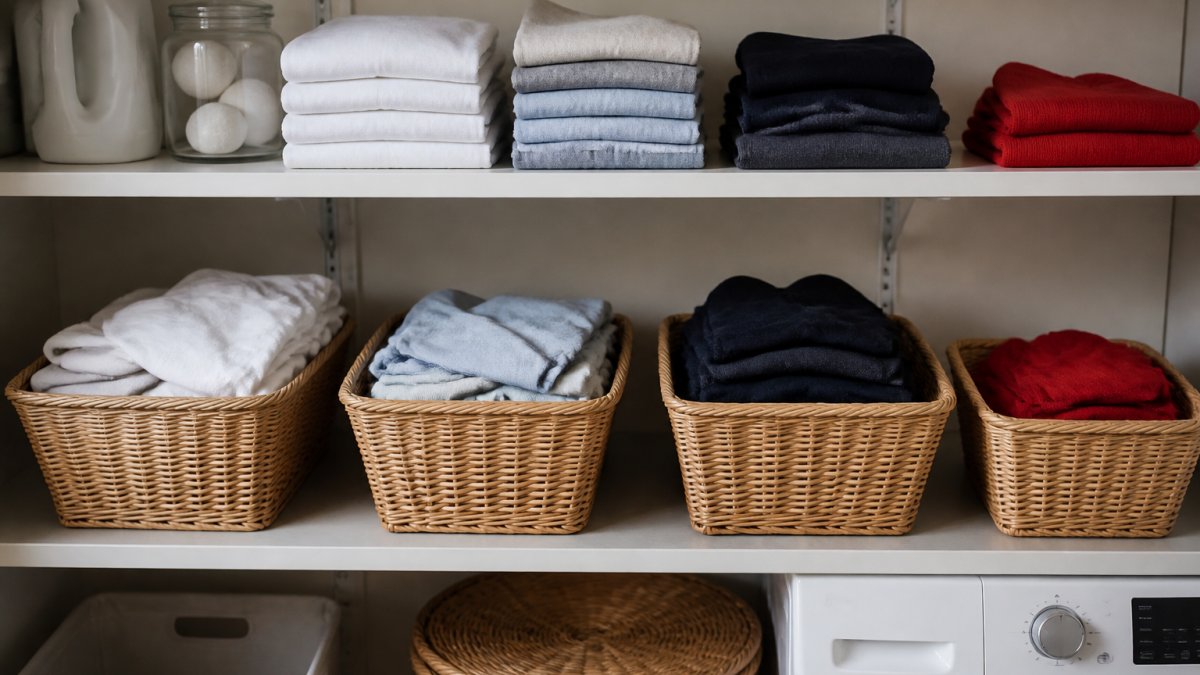
New garments need special handling during their first wash. Wash new clothes separately from everything else, even other new items of different colors. This prevents cross-contamination and contains any dye release to a single load.
Use cold water for the first wash of any new colored garment. Cold water reduces dye leaching by 40-50% compared to warm water. Warm water opens fabric fibers and accelerates dye release, making the problem worse.
Keep the wash cycle gentle. Shorter cycles mean less agitation and less time for dye to transfer. A delicate or normal cycle works better than heavy-duty for new items. Avoid overloading the machine, clothes need room to move freely, but crowding increases friction and dye transfer.
After the first wash, new items can join regular loads if they pass the colorfastness test. Most garments stabilize after 3-5 washes, though dark reds and blacks may require longer.
Use Color Catcher Sheets for Laundry Protection
Color catcher sheets trap loose dye particles in wash water through a special polymer coating that absorbs loose dyes and holds them until the rinse cycle. They're a useful backup layer when you're unsure about a garment's colorfastness or when mixing new and older items in the same load.
How they work and when they're most effective:
Color catcher sheets work best in standard top-load and front-load machines with adequate water levels. Add one sheet per load when washing mixed colors or new items. The sheet absorbs dye throughout the wash cycle and releases it during the rinse, flushing it away before it can transfer to other garments.
Critical limitations in high-efficiency machines:
High-efficiency (HE) washers use significantly less water than standard machines, often 40% less per cycle. With lower water volume, color catcher sheets have less surface area to contact loose dyes, and dye particles may transfer directly between garments before the sheet can absorb them. If you use an HE machine, add an extra sheet per load and reduce load size by 25-30% to increase water circulation.
When color catchers are insufficient:
Color catcher sheets cannot prevent dye transfer in severely overcrowded loads. Clothes packed tightly trap dye particles near garment surfaces, where they contact other items before reaching the sheet. Similarly, if a garment releases dye rapidly (as new reds and blacks often do), the sheet may become saturated and lose effectiveness partway through the cycle. In these cases, the sheet provides only partial protection.
Sheets are also less effective on very short wash cycles (under 25 minutes) because there's insufficient time for the polymer to absorb all loose dyes. Delicate or quick-wash cycles may not allow the sheet to work at full capacity.
Best practice: use sheets as a layer, not a substitute:
Color catcher sheets work best alongside proper sorting and cold water washing. Never rely on them as your primary prevention strategy. Use them when you're mixing new items with established loads, when washing vintage or imported garments of uncertain colorfastness, or as insurance when you cannot separate a questionable item. For maximum effectiveness, combine sheets with the colorfastness test described earlier in this guide, cold water, and adequate load spacing.
How to Remove Dye Transfer from Clothes
If dye transfer happens despite your precautions, act quickly. The sooner you treat the stain, the easier it is to remove. Dye that sets in the dryer becomes nearly impossible to reverse.
Here's the rescue process:
- Remove affected items immediately after washing
- Rinse in cold water to remove loose dye
- Soak in a mixture of cold water and oxygen-based bleach for 4-8 hours
- Gently rub stained areas while soaking
- Wash separately in cold water with color-safe detergent
- Air dry to check results before using heat
Oxygen-based bleach works on most fabrics without causing damage, unlike chlorine bleach. It lifts color transfer gradually as you soak. For stubborn stains, repeat the soak-and-wash cycle.
If the stain persists after two treatments, the dye may have set permanently. Heat from the dryer locks transferred color into fibers, making removal nearly impossible. This is why immediate action matters.
Common Mistakes to Avoid When Preventing Dye Bleeding
The most common error is washing new dark clothes with other items on the first wash. Many people assume one wash won't hurt, then discover transferred color too late. Always isolate new colored garments completely for their first cycle.
Washing in warm or hot water is another frequent mistake. Heat opens fabric fibers and accelerates dye release. Even "color-safe" detergents can't fully prevent bleeding in hot water. Stick with cold water for any garment you're unsure about.
Overloading the washing machine reduces water circulation and increases friction between clothes. Crowded loads trap dye particles near garment surfaces, making transfer more likely. Leave space for clothes to move freely.
Skipping the colorfastness test before washing is risky, especially with vintage or imported garments. You might assume a fabric is stable when it actually bleeds heavily. A five-minute test prevents hours of damage control.
Relying on color catcher sheets alone without sorting is ineffective. These sheets help but don't eliminate the need for proper color separation. Use them as a safety layer, not a primary strategy.
Dye bleeding ruins clothes and wastes your time rewashing loads. At New Creations Fabric & Foam Inc, we understand how frustrating color transfer can be, especially when you're working with quality fabrics for professional projects or personal creations. Preventing dye bleeding requires attention to sorting, water temperature, and new garment handling, but the effort pays off in preserved colors and protected fabrics. Start with cold water washes, separate new items completely, and test colorfastness before mixing loads. These straightforward practices protect both everyday clothing and the specialty fabrics you source for your creative work. Explore Fabrics from New Creations Fabric & Foam Inc to find high-quality materials that hold their color through countless washes.
Frequently Asked Questions
How do you prevent dye from bleeding in the wash?
Prevent dye bleeding by sorting clothes by color, washing new garments separately for the first few washes, using cold water, turning dark items inside out, choosing a color-safe detergent, and considering color catcher sheets for mixed loads. Test unfamiliar fabrics for colorfastness before washing with other clothes. These practices work together to minimize loose dye in the wash water and reduce color transfer to lighter garments.
Should you wash new clothes separately before wearing them?
Yes, washing new clothes to prevent color bleeding is essential, especially for dark or bright-colored items. New garments often have excess dye that can transfer to other clothes in the first few washes. Wash new items alone in cold water for the first one to three washes, then inspect them for any remaining color loss before mixing with your regular laundry. This simple step prevents damage to your entire wardrobe.
How can you tell if a fabric will bleed color?
How to test fabric for colorfastness: Dampen a white cloth with cold water and rub it on an inconspicuous area of the garment (inside seam, hem, or tag area). If color transfers to the white cloth, the fabric will bleed. For a more thorough test, soak a small hidden section in cold water for 15 minutes, then check for color loss. If significant color appears on the white cloth or in the water, wash that item separately for several cycles before wearing or mixing with other clothes.
Do color catcher sheets work for preventing dye transfer?
Color catcher sheets for laundry can help reduce dye transfer in mixed loads by trapping loose dyes in the wash water. They work best as a secondary safeguard, not a replacement for sorting and cold-water washing. Use them when you must wash mixed colors together, or when washing new items with uncertain colorfastness. Follow package instructions for the correct number of sheets based on load size. For maximum protection, combine color catcher sheets with other proven prevention methods like cold water and inside-out washing.