

Table of Contents
- Understanding Fabric Color Variation and Its Causes
- Step 1: Sort Fabrics by Color and Fiber Type Before Washing
- Step 2: Select the Right Detergent and Water Temperature
- Step 3: Choose Appropriate Wash Cycles and Prevent Dye Transfer
- Textile Dye Lot Consistency: What Manufacturers Need to Know
- How to Check for Colorfastness Before Bulk Production
- Fabric Quality Control Standards for Color Consistency
- Step 4: Drying Techniques That Preserve Color Integrity
Last Updated: August 21, 2026
Understanding Fabric Color Variation and Its Causes
Fabric color variation occurs when the same dye lot produces inconsistent hues across different pieces, or when similar fabrics from different production runs display noticeable color differences. Color inconsistency stems from water temperature fluctuations during dyeing, uneven dye distribution across fibers, differences in fiber composition within a single batch, and variations in how natural and synthetic materials absorb color.
The textile industry distinguishes between dye lot inconsistency within a single production run and batch-to-batch variation when manufacturers source fibers from different suppliers or adjust processes between cycles. Both problems directly impact your ability to scale production confidently. Natural fibers like cotton and linen absorb dyes differently than synthetics like polyester because their molecular structure creates different binding sites for dye molecules. Water hardness, pH balance, and temperature all influence how effectively dyes bond to fibers.

The stakes are highest for apparel manufacturers and event planning businesses sourcing fabric in bulk, where a single color mismatch across multiple items ruins visual cohesion and damages brand perception.
Step 1: Sort Fabrics by Color and Fiber Type Before Washing
Before washing any fabric, separate pieces by both color and fiber composition to prevent dye transfer, where loose dyes from darker fabrics migrate to lighter ones, causing staining and color bleeding.
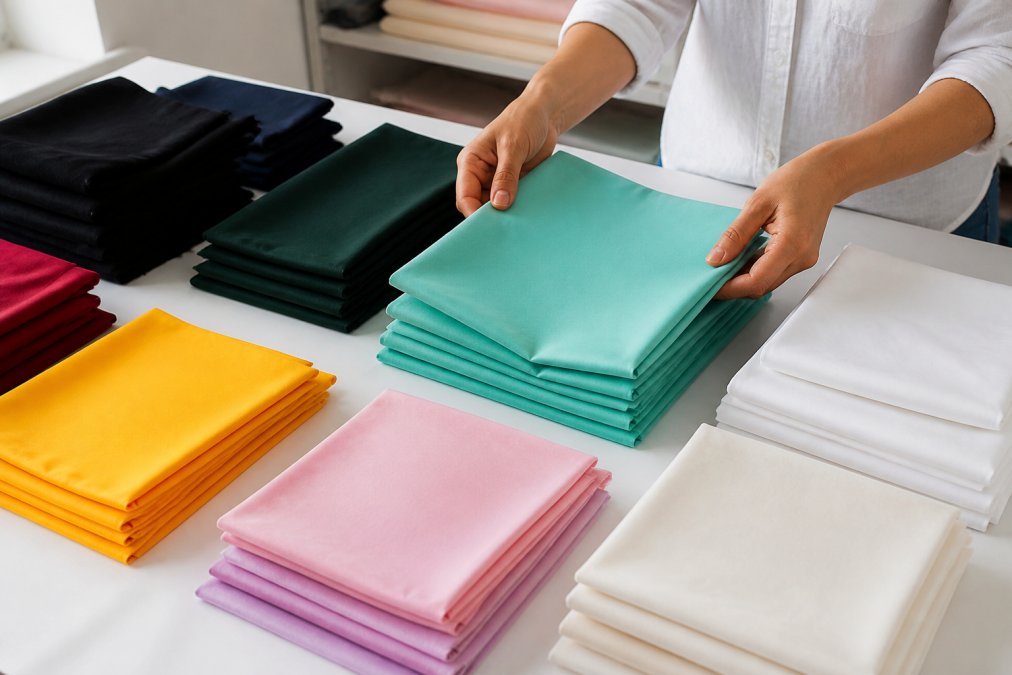
Group fabrics into three basic categories: whites and very light colors, medium tones, and dark colors. Within each category, further separate by fiber content. Synthetic fibers like polyester poplin require different washing protocols than natural fibers and hold color more effectively because synthetic fibers bond with dyes at a molecular level that prevents loose dyes from escaping during washing.

Keep whites completely separate from all other colors, even light pastels can transfer enough dye to create visible yellowing on white fabric. For small batches, hand sorting takes minutes. For larger operations, use mesh bins labeled by color category. When evaluating fabrics from New Creations Fabric & Foam Inc or any supplier, request sample swatches and test them together in water to confirm they won't bleed onto each other.
Step 2: Select the Right Detergent and Water Temperature
Cold water washing is the most effective method to avoid fabric color variation and prevent additional dye loss. Hot water opens up fiber structure, allowing loose dyes to escape more readily and causing colors to fade faster with each wash cycle. Cold water keeps fibers contracted, trapping dyes inside and preserving original color intensity.
Select a mild detergent specifically formulated for colored fabrics. Standard detergents often contain optical brighteners and harsh surfactants that strip dyes from fibers. Mild detergents maintain pH balance, typically between 6.5 and 7.5, which prevents dyes from becoming unstable and bleeding. Using too much detergent requires more rinse water to remove it completely, and residual detergent can cause dye migration during storage or future washing.
If you have hard water, consider using a water softener or adding a chelating agent to your wash. Run multiple rinse cycles with cold water until the rinse water runs completely clear, indicating all loose dyes have been removed. This thorough rinsing prevents color variation during storage and protects against unexpected bleeding if the fabric gets wet later.
Step 3: Choose Appropriate Wash Cycles and Prevent Dye Transfer
Gentle wash cycles protect fabric structure and prevent excessive agitation that can damage fibers and release additional dyes. The gentle cycle typically runs at lower agitation speeds and shorter durations, reducing mechanical stress on fibers. Even strong fabrics like premium polyester poplin from New Creations Fabric & Foam Inc benefit from gentle cycles, lower agitation means less dye loss and better color retention over multiple wash cycles.

Prevent dye transfer by controlling water volume and load capacity. Overcrowding the washing machine prevents proper water circulation, creating pockets where loose dyes concentrate and increase transfer risk. Fill the machine to about 75% capacity, allowing water to flow freely around all fabric pieces. This simple adjustment significantly reduces color bleeding and ensures even detergent distribution.
A practical approach used by many production facilities: wash new fabrics separately from established inventory for the first cycle. New fabrics shed more loose dyes regardless of quality, so isolating them prevents contaminating other materials. After the first cold wash with mild detergent and multiple rinses, subsequent washes show dramatically reduced dye loss.
Textile Dye Lot Consistency: What Manufacturers Need to Know
Dye lot consistency represents one of the most challenging aspects of fabric manufacturing. A dye lot refers to a batch of fabric dyed in a single production run under specific conditions. Manufacturers control consistency through temperature monitoring systems that maintain precise heat during dyeing, even 2-3 degree fluctuations can cause visible color shifts. Mechanical circulation systems ensure dyes distribute evenly throughout the fabric bath.
When you order fabric, specify your dye lot requirements clearly. Some suppliers guarantee color consistency within a specific tolerance range, for example, matching within Delta E 1, which represents a color difference barely perceptible to the human eye. Request samples from your supplier's actual dye lot before committing to large orders.
Synthetic fibers like polyester typically show better dye lot consistency than natural fibers because their uniform molecular structure produces more predictable dye absorption. Dye lot documentation should accompany every fabric order, including the dye lot number, production date, and quality control results. Keep detailed records of which dye lots you've used in previous production runs so you can trace problems back to a specific dye lot if issues arise.
How to Check for Colorfastness Before Bulk Production
Colorfastness testing determines how well a fabric retains its color under various conditions. Before committing to bulk fabric orders, conduct colorfastness tests on sample swatches from your intended dye lot to prevent expensive production mistakes.
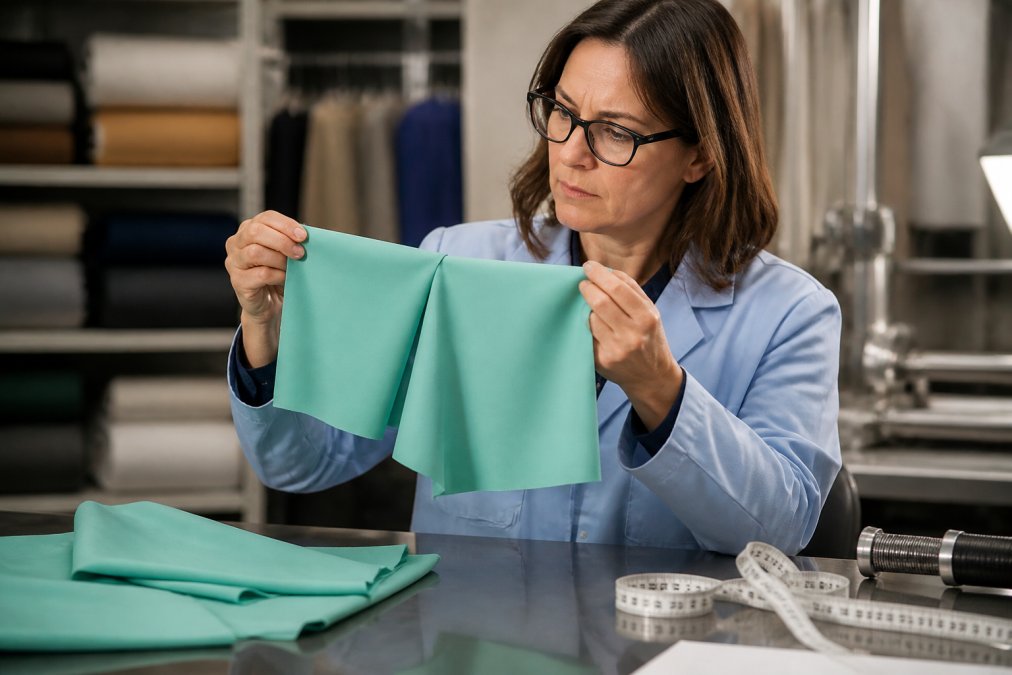
The most practical colorfastness test involves washing. Cut a small swatch from your sample fabric and wash it separately in cold water with mild detergent using the same protocol you'll use for production. Compare the washed swatch to an unwashed control swatch under consistent lighting to assess color change objectively.
Test for dye transfer by washing your colored fabric swatch together with a white fabric swatch. Even slight discoloration indicates the fabric will transfer dyes to lighter garments or materials during production or customer use. Light exposure testing reveals how fabric color changes over time when exposed to sunlight by placing swatches in a sunny window for 24-48 hours, then comparing to a control swatch kept in darkness.
Request colorfastness test results from your fabric supplier. Reputable manufacturers conduct these tests during production and document results with each dye lot. Test standards like AATCC (American Association of Textile Chemists and Colorists) provide rating scales, higher ratings indicate better colorfastness.
Fabric Quality Control Standards for Color Consistency
Fabric quality control standards establish objective criteria for acceptable color variation. The textile industry uses Delta E (ΔE) as the primary measurement for color difference. Delta E quantifies the perceptual difference between two colors on a scale where 0 represents identical colors and higher numbers represent increasingly noticeable differences. Delta E 1 or lower is imperceptible to the human eye. Delta E 3-5 represents a noticeable but acceptable color variation for many applications. Delta E above 5 typically indicates unacceptable variation that customers will notice immediately.
When sourcing fabric, specify your acceptable Delta E tolerance. A fashion brand producing garments for retail sale might require Delta E 1-2 to ensure consistency across production runs. An event planning business sourcing tablecloths might accept Delta E 3-4 since slight variations are less noticeable when fabrics are displayed as part of a larger decor scheme.
Quality control documentation should accompany every fabric shipment, including color measurements taken at multiple points across the fabric roll, dye lot information, and test results confirming colorfastness. Establish a receiving inspection protocol that includes visual color assessment under standardized lighting, as natural daylight, fluorescent lighting, and incandescent lighting all render colors differently.
Step 4: Drying Techniques That Preserve Color Integrity
Air drying in shade represents the gentlest drying method and produces the best color preservation. Hang fabric on a clothesline or lay it flat on a clean surface in a shaded, well-ventilated area. Shade prevents UV exposure that causes color fading and dulling.
If you must tumble dry, use the lowest heat setting and shortest duration necessary to remove moisture. High heat causes fibers to expand and contract, potentially releasing additional dyes and creating color variations across the fabric. Remove fabric from the dryer while slightly damp and complete drying by air drying to minimize heat exposure.
Avoid direct sunlight during drying. Store dried fabric in a cool, dark environment between 60-75 degrees Fahrenheit with humidity between 40-60%. For bulk fabric storage, use opaque storage containers or cover fabric with dark cloth to block light exposure. Label containers with dye lot information and storage date so you can rotate stock and use older fabric first.
Achieving consistent fabric color requires attention at every stage, from sorting and washing through drying and storage. The most common mistake manufacturers make is treating color consistency as a one-time concern rather than an ongoing process that spans from receiving fabric through final product delivery. New Creations Fabric & Foam Inc specializes in providing fabrics engineered for color consistency and refined finishes that support your production goals. Our premium polyester poplin fabrics maintain their intended color through proper handling, and we can guide you through quality control protocols specific to your production needs. Explore our fabric collections and discover how consistent, high-quality materials transform your manufacturing capability.
| Technique | Best For | Key Benefit | Primary Risk |
|---|---|---|---|
| Cold water washing | All fabric types | Prevents dye loss and bleeding | Requires longer wash time |
| Gentle wash cycles | Delicate and specialty fabrics | Minimizes fiber damage | Less effective soil removal |
| Air drying in shade | Color-sensitive fabrics | Maximum color preservation | Slower drying process |
| Mild detergent | Colored fabrics | Maintains pH balance | Higher cost than standard detergent |
| Colorfastness testing | Pre-production quality control | Identifies color problems early | Requires time and resources |
Fabric color variation stems from multiple interconnected factors, but understanding the science behind dye absorption and fiber behavior puts you in control. Water temperature, detergent chemistry, wash cycle selection, and drying methods all influence whether your fabric maintains consistent color or develops noticeable variations. The investment in proper protocols, sorting by color, using cold water and mild detergent, selecting gentle cycles, and air drying in shade, pays dividends through reduced waste, fewer customer complaints, and stronger brand reputation.
According to the American Association of Textile Chemists and Colorists (AATCC) standards, proper colorfastness testing before bulk production prevents costly quality failures. Textile research from the Fiber Society demonstrates that synthetic fibers like polyester exhibit superior dye retention compared to natural fibers under identical washing conditions.
For manufacturers and designers sourcing fabric, requesting detailed colorfastness documentation and dye lot consistency data from suppliers represents your most reliable quality assurance tool. New Creations Fabric & Foam Inc provides comprehensive documentation with every order, enabling you to verify that fabric meets your color consistency standards before production begins. The Textile Exchange's sustainability and quality standards emphasize the importance of consistent manufacturing practices that preserve both color integrity and fabric performance. By implementing the protocols outlined in this guide, you transform fabric color consistency from a source of frustration into a competitive advantage that builds customer trust and supports scalable production.
Frequently Asked Questions
Q: What causes color variation in fabric batches?
A: Color variation occurs when dye doesn't penetrate fibers uniformly during manufacturing, when different dye lots are used, or when fibers absorb dye differently based on their composition. Water hardness, pH imbalances, and temperature fluctuations during dyeing all contribute. To prevent this, manufacturers maintain strict textile dye lot consistency protocols and test colorfastness before bulk production. Sourcing from suppliers who document their dye lot numbers ensures you receive consistent colors across multiple orders.
Q: How do you check for colorfastness before bulk production?
A: Test colorfastness by washing a small swatch in hot water with detergent, then rinsing and drying it. Compare the original color to the tested swatch under natural light. You should also test for crocking (surface dye rubbing off) by rubbing a damp white cloth against the fabric. Always request fabric quality control standards documentation from your supplier before committing to large orders.
Q: Why should I buy from New Creations Fabric & Foam Inc instead of cheaper alternatives?
A: New Creations Fabric & Foam Inc provides textile dye lot consistency and professional-grade quality control standards that protect your production timeline and final product. Our Premium Woven Polyester Poplin fabrics, available in colors like Aqua, Black, Blush Pink, and Burgundy at $12.99 per yard, are designed for apparel manufacturers and event planners who need reliable color matching across orders. We document dye lots and maintain consistency standards that cheaper suppliers often skip, preventing the costly delays and quality issues that come from color variation problems.
Q: What water temperature should I use to prevent color fading?
A: Cold water (below 65°F) is your best defense against color fading and dye migration. Hot water opens fiber structures, allowing dyes to release more easily. Use cold water for the initial wash and rinse cycles, especially for dark colors and newly dyed fabrics. Pair cold water with a mild detergent formulated for colors to minimize dye transfer. For heavily soiled items, pre-treat stains with cold water before washing, and avoid overloading the wash cycle, which reduces agitation and dye stability.
This article was written using GrandRanker