

Table of Contents
- Why Apparel Designers Switch from Kikitextiles
- Wholesale Fabric Suppliers for Fashion Designers
- Fabric Sourcing Best Practices for Apparel
- Best Fabric Sourcing for Small Clothing Brands
- Specialty Fabrics for Specific Garment Categories
- How to Evaluate Kikitextiles Alternatives
- Conclusion
Last Updated: August 22, 2026
Why Apparel Designers Switch from Kikitextiles
When sourcing fabrics for apparel production, switching suppliers feels risky. Yet many designers explore kikitextiles alternatives for apparel designers due to minimum order constraints, inconsistent batch quality, limited specialty selections, or logistics delays. The search becomes practical necessity when friction points emerge.
At New Creations Fabric & Foam Inc, we've worked with designers who transitioned from single-supplier dependency to diversified sourcing strategies. This guide covers viable kikitextiles alternatives and what to evaluate when comparing wholesale fabric suppliers.
Wholesale Fabric Suppliers for Fashion Designers
Three wholesale fabric suppliers stand out for apparel designers seeking consistency, variety, and reliable delivery.
New Creations Fabric & Foam Inc: Consistency and Refined Finishes
New Creations Fabric & Foam Inc is the strongest kikitextiles alternative for designers prioritizing fabric quality and manufacturing consistency. The company specializes in apparel-grade textiles with refined finishes.
The product lineup spans activewear, formal wear, and costume design. For activewear, the Stretch Power Mesh (90% nylon, 10% spandex) at $12.95 per yard offers 20% vertical and 35% horizontal stretch with 100 GSM weight, ideal for athletic garments. The Cotton Jersey Spandex Knit at $12.95 delivers 95% cotton and 5% spandex with 50% vertical stretch, perfect for t-shirts requiring breathability and durability.

Formal wear designers benefit from the Satin Stretch Charmeuse (96% polyester, 4% spandex) at $14.95, providing lustrous sheen and drape for evening wear. For costume and event design, the Stretch Velvet at $14.95 offers plush texture and 4-way stretch for performance garments.
What separates New Creations Fabric & Foam Inc is quality assurance at scale. Fiber content is precise, weight specifications consistent, and hand-feel matches digital samples.
Wholesale pricing applies to orders of 25 yards or more, accessible to small independent designers and larger brands. Multiple-yard orders ship in continuous pieces, eliminating fragmentation that complicates garment construction.
Weavesource: Specialty Textiles and Direct Sourcing
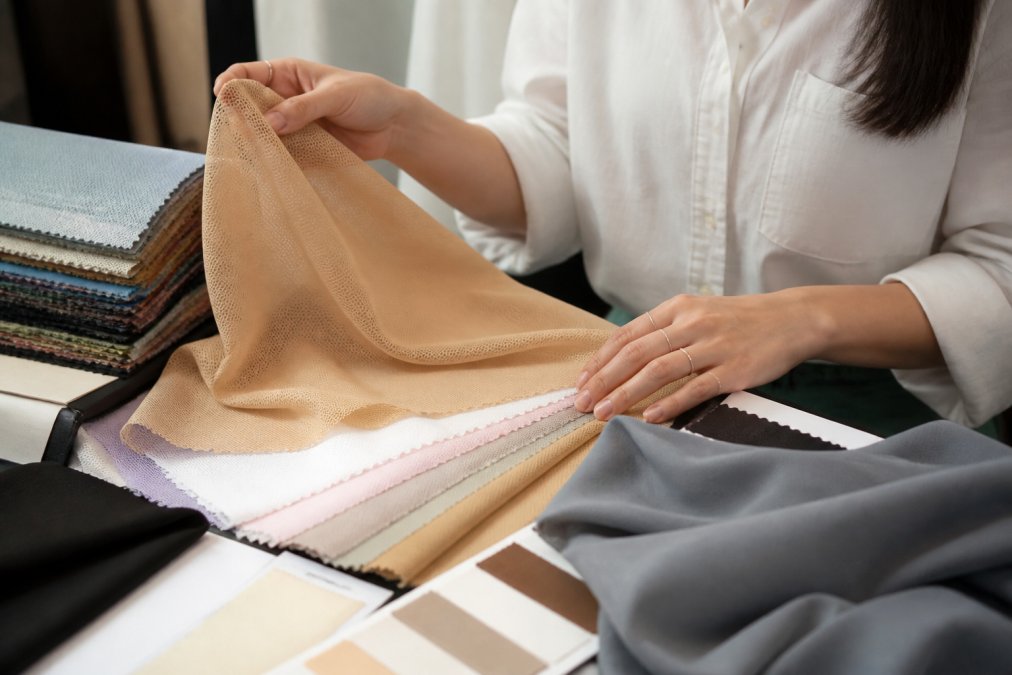
Weavesource serves designers needing access to specialty textile categories and direct mill relationships. The company reduces markup while offering customization options unavailable through standard wholesale channels.
Weavesource's strength lies in sourcing custom fiber blends, technical fabrics, and limited-run collections. If you need custom weight or unusual fiber combinations, Weavesource facilitates mill conversations. This matters for brands building signature fabrics or seeking material innovation differentiation.
The trade-off: longer lead times for custom orders and higher minimums for specialty textiles. Weavesource works best for designers with 6-12 month production planning windows and volumes above 1,000 units per style.
Milan Fabrics: Broad Selection and Bulk Ordering
Milan Fabrics offers the widest inventory breadth among wholesale suppliers, spanning basics, novelty prints, specialty weaves, and seasonal collections. This provides variety without managing multiple vendor relationships.
Pricing is competitive for bulk orders (50+ yards), and the company maintains stock depth supporting recurring orders. Designers appreciate reordering bestselling styles without long lead times, critical for continuous production cycles.
The limitation: Milan Fabrics emphasizes volume and breadth over specialized consulting. Designers seeking technical guidance may find less support than at New Creations Fabric & Foam Inc.
| Supplier | Specialty | Best For | Minimum Order |
|---|---|---|---|
| New Creations Fabric & Foam Inc | Apparel-grade consistency, refined finishes | Professional designers, small brands | 25 yards |
| Weavesource | Custom sourcing, specialty fibers | Innovation-focused brands, tech fabrics | 500+ yards |
| Milan Fabrics | Breadth of inventory, seasonal variety | High-volume production, recurring orders | 50 yards |
Fabric Sourcing Best Practices for Apparel
Choosing between kikitextiles alternatives requires understanding what matters in fabric selection. Production-scale decisions hinge on three technical factors.
Evaluating Fabric Weight and Drape
Fabric weight, measured in GSM (grams per square meter), determines how a garment hangs and moves. For t-shirts and casual apparel, 150-180 GSM provides expected body and structure (peer-reviewed research). Below 150 GSM, fabric feels flimsy; above 200 GSM, it becomes stiff. The Cotton Jersey Spandex Knit at 180 GSM hits this sweet spot.

For formal wear, lighter weights (100-140 GSM) allow elegant drape. Activewear requires different logic: the Stretch Power Mesh at 93-100 GSM works because nylon is naturally durable despite low weight, and the mesh construction provides breathability.
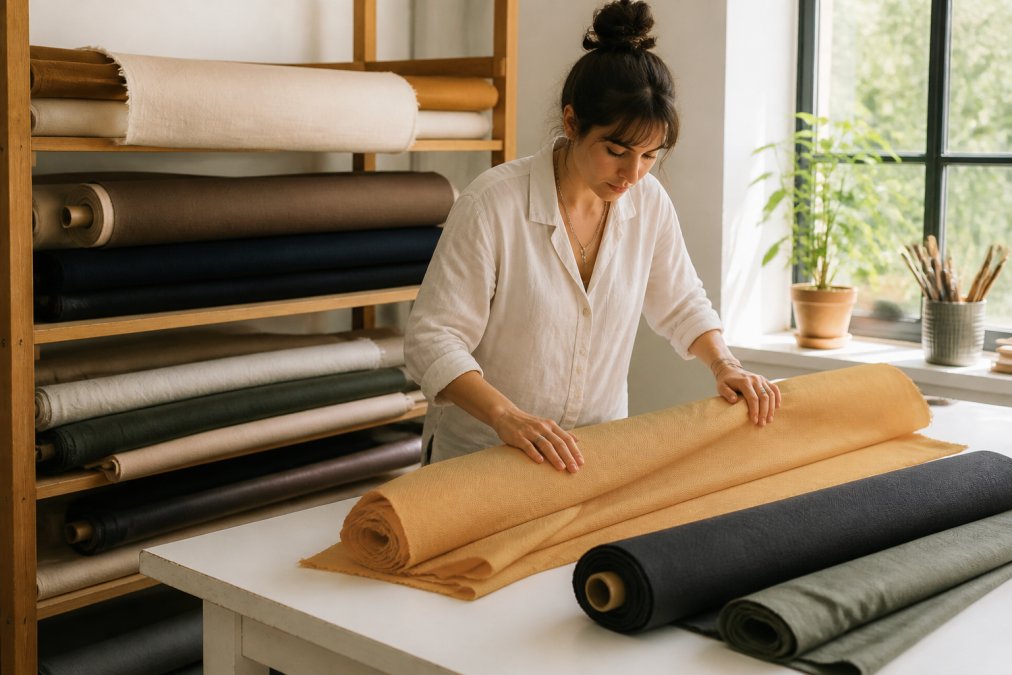
When evaluating alternatives, request swatches and drape them vertically. Does it hold structure or collapse? Does it move with the body or restrict? These tactile tests reveal whether fabric matches your design intent.
Assessing Fiber Content and Durability
Fiber content determines how fabric behaves through washing, wearing, and storage. Natural fibers breathe better and feel luxurious but require careful laundering. Synthetics resist wrinkles and fading but can pill or develop static. Blends offer compromise: the Cotton Jersey Spandex Knit combines cotton's breathability with spandex's stretch recovery.
For apparel production, spandex content matters most in stretchy fabrics. The Stretch Power Mesh uses 10% spandex, providing reliable stretch without excessive cost. Anything below 5% often provides insufficient recovery; above 15% typically adds unnecessary cost (astm.org).
When comparing alternatives, request care instructions and durability information. Ask: How many wash cycles before pilling? What's the color fastness rating? Does the fabric shrink? These questions reveal whether fabric is truly production-ready.
Verifying Quality Consistency Across Batches
The most common complaint from designers switching suppliers is batch variation. Fabric ordered in January looks different from the same style ordered in March. Colors shift, textures change, drape feels different.
Professional suppliers manage this through tight specifications and quality control.
When evaluating alternatives, ask about quality assurance processes. Do they test every batch? Do they maintain color-matched archives? Can they guarantee shade consistency across multiple orders? These questions separate suppliers understanding manufacturing from those focused on one-time sales.
Best Fabric Sourcing for Small Clothing Brands
Small independent designers face unique sourcing constraints: meeting minimums, needing flexibility without premium pricing, and depending on reliable logistics.
Minimum Order Quantities and Flexibility
Most wholesale suppliers set minimums of 25-50 yards per style. New Creations Fabric & Foam Inc addresses this with a 25-yard minimum, translating to approximately 40-50 finished garments. Some suppliers offer lower minimums on bestsellers.
The hidden cost of minimums is inventory carrying. If you order 50 yards but use 40, you're holding inventory tying up cash. Plan your production calendar before ordering, and consider whether slightly higher per-yard costs avoid excess inventory.
Logistics and Shipping Reliability
For small brands on tight margins, delayed fabric shipments derail production cycles. When evaluating alternatives, ask about shipping timelines. Most promise 4-6 business days for in-stock items. New Creations Fabric & Foam Inc maintains U.S.-based inventory.
Also ask about tracking and communication. Can you get order status updates? Will the supplier proactively notify you of delays? For recurring orders, establish a reorder schedule; many suppliers offer priority processing for regular customers.
Specialty Fabrics for Specific Garment Categories
Different garment categories demand different fabric properties.
Activewear and Stretch Fabrics
Activewear requires fabrics that stretch, recover, wick moisture, and withstand repeated washing. The Stretch Power Mesh (90% nylon, 10% spandex) excels because nylon is inherently durable and 4-way stretch accommodates movement in all directions (peer-reviewed research). The 20% vertical and 35% horizontal stretch specification means fabric moves with the body without becoming baggy.
The Cotton Jersey Spandex Knit offers an alternative for casual activewear and athleisure, providing breathability while maintaining stretch for comfort. When sourcing activewear fabrics, verify moisture-wicking capability, colorfastness, and pre-shrinking.
Formal Wear and Luxury Textiles
Formal wear demands fabrics that drape elegantly, reflect light beautifully, and feel luxurious. The Satin Stretch Charmeuse (96% polyester, 4% spandex) delivers lustrous sheen essential for formal wear with excellent drape. The Stretch Velvet (90% polyester, 10% spandex) works for formal occasions requiring texture and richness.

For formal wear, color consistency matters enormously. Customers expect evening wear to match across the garment. This is why sourcing from suppliers with rigorous quality control becomes essential.
Costume and Event Design Fabrics
Costume and event design often requires specialty fabrics that withstand stage movement and quick changes. The Stretch Velvet works well because spandex content allows performers to move freely without seam strain. Velvet's rich appearance photographs well under stage lighting.
For costume design, ask suppliers about specialty inventory: beaded lace, tulle, specialty sequined fabrics. Event design for backdrops and linens requires durable fabrics holding color under varied lighting.
How to Evaluate Kikitextiles Alternatives
Switching suppliers requires systematic evaluation beyond price alone.
Comparing Pricing Models and Wholesale Discounts
Wholesale pricing structures vary. New Creations Fabric & Foam Inc charges per-yard with wholesale pricing for 25+ yard orders. The Stretch Power Mesh at $12.95 per yard is transparent pricing. For a 50-yard order, you pay $647.50 straightforward math.
Compare against tiered pricing suppliers. A supplier charging $15 per yard for 1-24 yards, then $12 per yard for 25-49 yards, may appear cheaper but evaluate other factors (quality, consistency, support) before choosing based on per-yard savings.
Also factor in shipping costs. Some suppliers include shipping above a threshold; others charge flat rates. Calculate total cost, not just per-yard price.
Assessing Supply Chain Reliability
Supply chain reliability includes inventory depth, fulfillment speed, and communication. Inventory depth means the supplier maintains stock rather than producing on-demand. New Creations Fabric & Foam Inc maintains U.S.-based inventory.
Fulfillment speed matters. Ask for average fulfillment times, not just stated promises. Also ask about seasonal variations; many suppliers slow during holidays.
Communication is overlooked but critical. Can you track orders? Will the supplier notify you of delays? Is there a knowledgeable person answering questions? Small brands appreciate suppliers treating them as valued customers. For recurring orders, establish a relationship with a specific account contact for simplified reordering and direct access for urgent requests.
Conclusion
Apparel designers switching from Kikitextiles seek better alignment with specific production needs. Whether you prioritize consistency, specialty fabrics, bulk pricing, or logistics reliability, the right kikitextiles alternative exists.
New Creations Fabric & Foam Inc stands out for designers requiring professional-grade consistency and refined finishes. The company's direct importing model, transparent pricing, and focus on apparel-specific fabrics, from Stretch Power Mesh for activewear to Satin Stretch Charmeuse for formal wear, address core frustrations driving designers to explore alternatives. With wholesale pricing starting at 25 yards and dedicated support for small brands, New Creations Fabric & Foam Inc eliminates friction complicating fabric sourcing. Explore Fabrics and discover how consistent, high-quality materials can define your brand's production standards.
Frequently Asked Questions
Q: What should I look for when evaluating a kikitextiles alternative?
When comparing kikitextiles alternatives, prioritize fiber content and technical specifications like GSM weight and thickness. Check whether the supplier offers consistent quality across batches and provides detailed product information. Verify minimum order quantities match your production scale, and confirm shipping timelines. Request samples before committing to bulk orders to evaluate drape, hand-feel, and color accuracy against your designs.
Q: How do wholesale fabric suppliers for fashion designers differ from retail options?
Wholesale fabric suppliers typically offer lower per-yard pricing at higher volume thresholds, direct access to textile sourcing expertise, and customization options for large orders. They focus on consistency and professional-grade quality for manufacturing. Retail fabric sources emphasize variety and small-batch flexibility. For apparel brands scaling production, wholesale suppliers provide cost efficiency and reliable supply chains that retail options cannot match.
Q: What are the best fabric sourcing options for small clothing brands?
Small clothing brands benefit from suppliers offering flexible minimum order quantities, transparent pricing, and responsive customer service. New Creations Fabric & Foam Inc caters to independent designers with continuous yard options and wholesale pricing starting at 25 yards or more. Look for suppliers providing technical fabric specifications, quality guarantees, and reliable shipping. Direct importers often offer better pricing and customization than middlemen while maintaining professional-grade standards.
Q: How do I verify fabric quality before placing a large order?
Request physical samples from potential suppliers before committing to bulk orders. Examine fiber content, weight specifications, and thickness measurements. Test drape and hand-feel against your design requirements. Verify that sample quality matches production-run quality by asking about quality control processes. Check whether the supplier guarantees consistency across dye lots and offers recourse for defects like fraying or color variations between rolls.
This article was written using GrandRanker