

Table of Contents
- Why Velvet Sheds: Common Velvet Fabric Shedding Causes
- Identify Your Velvet Type Before Treating It
- How to Cut Velvet Without Fraying or Loose Fibers
- How to Wash Velvet Clothing Without Causing Shedding
- Velvet Garment Care: Storage, Brushing, and Lint Removal
- Velvet Fabric Shedding Causes: What Actually Works vs. What Doesn't
- Preventing Shedding During Sewing and Garment Construction
- Conclusion: Keeping Velvet Garments Lint-Free
- Frequently Asked Questions
Last Updated: October 9, 2026
Why Velvet Sheds: Common Velvet Fabric Shedding Causes
Preventing velvet fabric shedding on garments starts with understanding the cause: millions of tiny upright threads break free from a cut-pile fabric with friction. At New Creations Fabric & Foam Inc, designers and production teams ask about this constantly. Most velvet does not fail; it simply loses fibers never fully anchored during weaving.
Not all shedding is a defect: some is normal, and some signals real trouble.
Normal Initial Lint vs. Ongoing Pile Failure
New velvet sheds a little at first: loose surface fibers work free in the first few wears or wash, then shedding slows and stops.
Ongoing pile failure looks different:
- Fibers keep releasing after several wears
- Bald patches or thin spots appear
- The backing feels exposed in areas of friction
If your garment is still shedding heavily after two or three cleanings, the pile is failing, not settling.
How Fiber Type and Construction Affect Shedding
Fiber type and pile density decide how much velvet sheds: short, dense pile holds fibers better than long, loose pile.
- Cotton velvet sheds moderate lint and softens with age
- Synthetic velvet (polyester blends) sheds less and holds color well
- Crushed velvet hides shedding in its pressed nap
Construction matters: a tightly woven backing grips fibers; a loose weave lets them escape.

Identify Your Velvet Type Before Treating It
Identifying your velvet fiber and construction before treatment is the step most people skip, and it prevents damage: what saves polyester velvet can ruin silk velvet.
Check the care label first. Then run these quick checks:
- Fiber content: Look for polyester, cotton, silk, or rayon on the label
- Pile length: Rub your palm across the surface. Long pile feels plush and loose; short pile feels dense
- Backing: Stretch a corner gently. A knit back flexes; a woven back stays firm
Match your care plan to what you find. A 90% polyester, 10% spandex stretch velvet behaves very differently from a 100% polyester royal velvet with a woven back.

How to Cut Velvet Without Fraying or Loose Fibers
Cutting velvet without fraying starts with the right tools and one direction of cut: every pattern piece must run the same way or the garment shades unevenly.
Follow these steps:
- Lay the fabric pile-side up, or pile-side down if you prefer tracing on the back
- Pin pattern pieces with the nap running the same direction on every piece
- Cut with sharp shears in long, smooth strokes, never small snips
- Cut one layer at a time to avoid shifting
- Mark with chalk or tailor's tacks, never a pen that bleeds
A common mistake is cutting velvet on a fold with dull blades: the pile catches, tears, and releases loose fibers.
Seam Finishing and Edge Treatment for Garments
Raw velvet edges fray and shed, so finish every seam. Options:
- Serged edges lock fibers in place fast
- French seams enclose raw edges for a clean inside finish
- Bound seams suit heavier velvet like royal velvet
Leave extra seam allowance on stretch velvet so seams move without pulling, and finish edges before pressing.

How to Wash Velvet Clothing Without Causing Shedding
Washing velvet clothing safely means cold water, a delicate cycle, and a mesh laundry bag. Heat and agitation cause the most pile loss, but the right routine depends on the fiber.
Start by reading the care label. Then follow this routine:
- Turn the garment inside out to protect the pile
- Place it in a mesh laundry bag
- Use cold water on the delicate cycle
- Add a gentle detergent, never bleach
- Skip the dryer and air dry flat
Cold Water, Delicate Cycle, and Mesh Laundry Bag
Cold water keeps fibers from swelling, a delicate cycle cuts friction between garments, and the mesh bag stops the drum pulling at the pile.
Wash velvet alone or with similar colors, since dyes bleed and mixed loads add friction. Our Royal Velvet label confirms it is machine washable and withstands professional cleaning detergents.
Matching the Wash Method to Your Velvet Fiber
Not every velvet tolerates the same wash. Adjust accordingly:
- Cotton velvet: Machine wash cold on delicate is usually safe. Expect moderate lint in the first few washes as loose fibers release, then shedding slows. Tumble drying is the main risk, so air dry flat.
- Silk velvet: Hand wash in cool water with a pH-neutral detergent, or dry clean. Agitation breaks silk fibers quickly, and silk velvet is the least forgiving of machine washing. If the label says dry clean only, follow it.
- Synthetic velvet (polyester, nylon, spandex blends): Most tolerate cold machine washing on delicate. Stretch velvet with spandex can lose recovery if exposed to heat, so keep water cool and skip the dryer entirely.
If unsure of the fiber, test a hidden area first: turn the hem or inside seam, apply a little detergent, wait ten minutes, then check for color loss, stiffening, or pile damage.
Stain Treatment Without Triggering Shedding
Spot-treat stains before washing, but blot, never rub, with a clean white cloth, rubbing spreads the stain and pulls pile fibers loose. Gentle dish soap on a damp cloth handles oil-based stains on most synthetic velvets; cool water handles water-based ones.
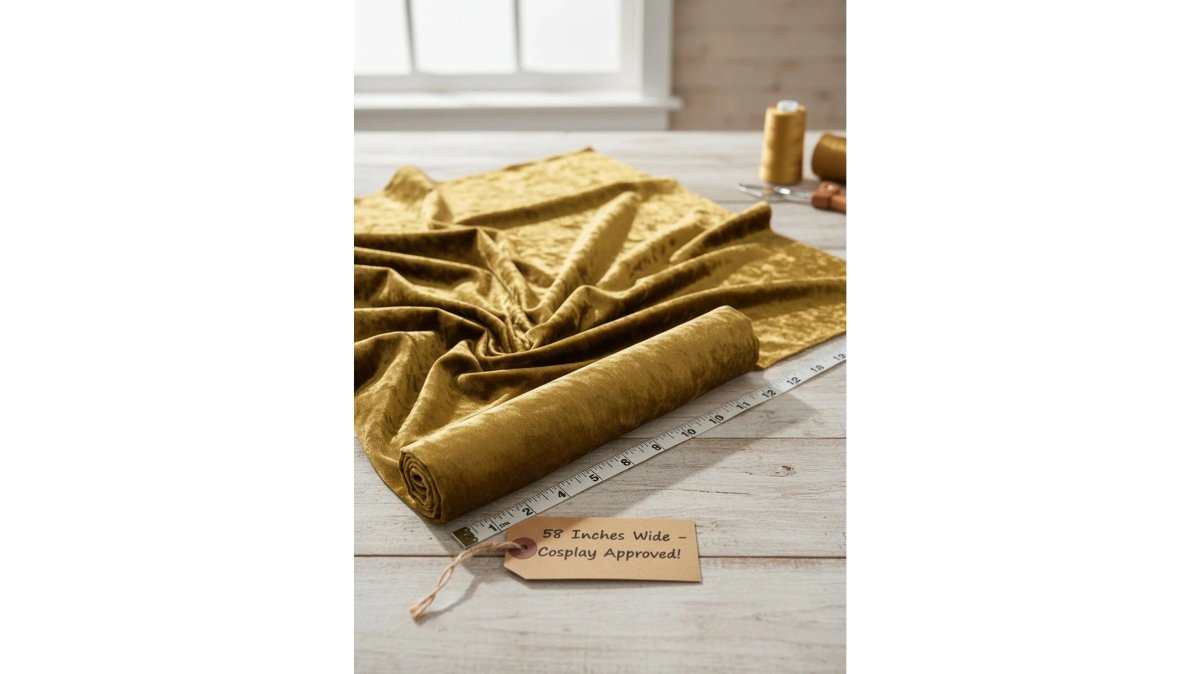
Stretch Velvet 58" Wide| Apparel Costumes| New Creations Fabric & Foam Inc. →
Test any stain remover on an inside seam first, since some solvents dull the nap or leave a ring worse than the stain.
After the Wash: Drying and Reshaping
Never put velvet in a dryer: heat shrinks the backing, loosening the pile and causing permanent shedding. Air dry flat on a clean towel, reshaping by hand while damp; hanging wet velvet stretches it out of shape, especially stretch velvet.
Once dry, steam lightly to lift flattened pile. Hold the iron off the surface, or press on the wrong side over a thick towel. Direct pressure flattens the nap and leaves shiny patches that never come back.
Velvet Garment Care: Storage, Brushing, and Lint Removal
Velvet garment care comes down to three habits: brush gently, remove lint the right way, and store on padded hangers. Do these and your velvet keeps its pile for years, though high-friction areas need extra attention.
- Brush with a soft clothes brush in the nap direction, once after each wear
- Remove lint with a lint roller or a slightly damp cloth, never a stiff brush
- Store on a padded hanger, never a wire hanger that creases the shoulders
Garment-Specific Prevention: Where Shedding Starts
Shedding concentrates at friction points, so protect those first.
- Cuffs and hems: These rub against desks, wrists, and shoes all day. Check them weekly for thinning pile. A light brush after each wear removes loose fibers before they migrate.
- Underarms and side seams: Friction from arm movement breaks pile along the side body. Lining the underarm area on a tailored velvet jacket or dress reduces direct pile-on-pile abrasion.
- Waistbands and belt lines: Belts, waistbands, and tucked-in shirts crush the nap. Give the garment a day to recover between wears, and steam the waistline to lift flattened pile.
When Shedding Cannot Be Fixed
Some shedding is normal settling; some is permanent pile failure no care routine will reverse. Knowing the difference saves time and prevents damage from over-treatment.
Signs the fabric is failing, not settling:
- Bald patches or thin spots that expose the backing
- Shedding that gets worse after two or three cleanings instead of slowing
- Fibers releasing from the backing, not just the surface
If you see these signs, the pile is damaged or the fabric was loosely constructed. Gentle care can slow further loss but will not restore the nap. For production teams, this is a quality-control signal: check the backing weave and pile density before committing to a run.
Handling Garments That Are Already Shedding Onto Other Clothes
If a velvet garment leaves lint on everything it touches, isolate it: store it in a breathable cotton garment bag, wash it separately in cold water with a mesh bag until shedding slows, and lint-roll in the nap direction to remove loose fibers before they transfer.
Do not use fabric softener or dryer sheets to stop the transfer. Both coat the fibers, dull the nap, and trap lint rather than releasing it.
Safe Tests Before Applying Any Treatment
Test any product on a hidden area first: turn the hem or inside seam, apply a little detergent, stain remover, or spray, wait ten minutes, then check for color loss, stiffening, or pile damage.
For colorfastness, blot a damp white cloth on the inside seam; if color transfers, wash the garment alone in cold water and skip spot treatments.
Velvet Fabric Shedding Causes: What Actually Works vs. What Doesn't
Some fixes help, and some make shedding worse. Here is how the common remedies stack up.
| Remedy | Does It Work? | Why |
|---|---|---|
| Gentle brushing with a soft brush | Yes | Removes loose fibers without pulling anchored pile |
| Lint roller | Yes | Lifts surface lint safely |
| Cold-water delicate wash | Yes | Reduces friction and fiber swelling |
| Mesh laundry bag | Yes | Shields pile from drum agitation |
| Hot water or high heat drying | No | Shrinks backing and loosens pile |
| Stiff brushes or vigorous rubbing | No | Tears fibers and spreads lint |
| Fabric softener | No | Coats fibers and dulls the nap |
| Dryer sheets | No | Leaves residue that traps lint |
The pattern is clear: heat, friction, or coating makes shedding worse; gently removing loose fibers makes it better.
Preventing Shedding During Sewing and Garment Construction
Preventing velvet fabric shedding on garments starts before the first cut. Construction choices decide how much a finished piece sheds over its life.
- Pre-wash the yardage before cutting to release factory lint
- Use a ballpoint or stretch needle to avoid skipped stitches and fiber pull
- Stretch stitch seams on stretch velvet so they move without breaking thread
For production runs, consistency matters as much as technique: fabrics with a stable weave and even pile, like our Stretch Velvet and Stretch Crushed Velvet, hold fibers better through cutting and sewing than loosely woven alternatives.
Conclusion: Keeping Velvet Garments Lint-Free
Velvet shedding is manageable once you know your fabric. Identify the fiber and construction, treat normal lint differently from pile failure, and build care habits around cold water, gentle brushing, and padded storage.
For designers and production teams who need velvet that behaves the same roll after roll, New Creations Fabric & Foam Inc supplies stretch velvet, crushed velvet, royal velvet, and more, with consistent finishes made for apparel and decor.
Frequently Asked Questions
Does velvet fabric shed?
Yes, velvet can shed loose fibers, especially when new or after friction. The amount depends on fiber type and construction. Synthetic velvet like polyester tends to shed less than natural silk or cotton velvet. Some initial lint is normal, but ongoing shedding may indicate pile damage or low-quality fabric. Gentle care reduces shedding over time.
How do you stop velvet from shedding on clothing?
Wash velvet garments in cold water on a delicate cycle inside a mesh laundry bag. Use a gentle detergent and avoid high heat in the dryer. Brush the pile gently with a soft clothes brush in the direction of the nap. Store on padded hangers to prevent friction. These steps reduce loose fibers and protect the pile.
Can you wash velvet to reduce shedding?
Yes, washing can help remove loose fibers that accumulate during manufacturing or wear. Use cold water and a delicate cycle with a gentle detergent. Always check the care label first. Place the garment in a mesh laundry bag to minimize friction. Air dry or tumble dry on low. Avoid wringing or twisting the fabric.
What is the best way to cut velvet without creating loose fibers?
Cut velvet with sharp fabric shears or a rotary cutter on a cutting mat. Cut in the direction of the pile, not against it. Use pattern weights instead of pins to avoid snagging. Finish raw edges with a serger or French seams to prevent fraying. A spot test on a scrap piece helps confirm your method before cutting the main fabric.