

Last Updated: November 4, 2026
Quick Summary
The best fabrics for DIY home decor projects are matched to weight, width, and wear rather than looks alone: canvas for structure, linen blends for drape, minky for softness, and gauze for event styling. Choose medium-weight wovens for curtains, 10 oz cotton duck canvas for pillows, and heavy cotton or polyester blends with 30,000+ double rubs for upholstery.
- Add 8-10 inches to window height for curtain hem and header, and buy all panels from one dye lot.
- For upholstery, ask for the double-rub number, since the word upholstery on a bolt tag says nothing about wear.
- Pre-wash washable fabric exactly as you plan to clean the finished piece to prevent shrinkage and dye bleed.
- Add 10 percent yardage for pattern matching and shrinkage, and order all yardage at once.
- For a directional print with a 12-inch repeat, add one full repeat per cut length so motifs align.
Table of Contents
- How to Match Fabric to Your DIY Home Decor Project
- The Best Fabric for DIY Curtains
- The Best Fabric for Throw Pillows
- Durable Upholstery Fabric for DIY Furniture and Slipcovers
- Easy-to-Sew Home Decor Fabric for Beginners
- Fabric for Table Linens, Backdrops, and Wall Decor
- Care, Pre-Treatment, and Buying the Right Yardage
- Explore Fabrics for Your Next DIY Home Decor Project
- Frequently Asked Questions
How to Match Fabric to Your DIY Home Decor Project
The right fabric turns a homemade project into something guests assume came from a store. The wrong one sags, frays, or pills within a month. Home crafters often buy the prettiest bolt on the shelf and find it fails on the couch. Fabric crafts are having a major moment heading into 2026, with texture-heavy projects like quilted wall hangings and fabric garlands driving much of the interest, according to craft trend analysis from My 100 Year Old Home. Picking the best fabrics for DIY home decor projects comes down to three specs, and once you know them, the selection gets simple.
Weight, Width, and Shape Retention: The Three Specs That Decide It
Fabric weight is the mass of a given area of cloth, usually expressed in ounces per square yard or grams per square meter, and it predicts how a material will hang and wear. Lightweight fabrics drape; heavyweight fabrics hold structure. Width matters just as much for budgeting: a 60-inch bolt cuts two curtain panels from less yardage than a 44-inch one. Shape retention decides whether a project still looks crisp after ten washes.
Watch out: buying fabric by the "decorator" label alone can backfire. Some crafters on r/quilting discussions find home decor fabrics too stiff for anything that needs to drape, so match weight to the job, not the label.
The Best Fabric for DIY Curtains
The best fabric for DIY curtains is a medium-weight woven with enough body to hang in even folds and enough opacity to control light. Quilting cotton works for cafe curtains, linen blends give a relaxed drape for living rooms, and canvas suits structured panels. Sheer fabrics like crystal organza create layered window treatments without blocking daylight.
For anything floor-length, add a lining. Unlined cotton curtains fade faster in direct sun, and a lining also improves insulation. Measure your window height, add 8-10 inches for hem and header, and buy all panels from one dye lot.
The Best Fabric for Throw Pillows
The best fabric for throw pillows balances softness against abrasion resistance. For a living room sofa, a 10 oz cotton duck canvas holds its shape and resists pilling. For a bedroom, our Solid Minky Fabric at $14.95 per yard brings a soft, plush texture for cozy accents.
Add a hidden zipper and a pillow insert one size larger than the cover for a full look.
Durable Upholstery Fabric for DIY Furniture and Slipcovers
Durable upholstery fabric for DIY projects means a tight weave rated for real traffic, and the spec that matters most is abrasion resistance. Upholstery abrasion is often reported in double rubs on the Wyzenbeek or Martindale scale, so ask for that number before you buy. Ask for the double-rub number before you buy, because the word "upholstery" on a bolt tag tells you nothing about wear.
Heavy-duty cotton and polyester blends resist everyday wear, and Indolibas guidance on fabric selection recommends those blends specifically for homes with pets and children. Our 10 oz Cotton Duck Canvas, $14.95 per yard, is a 315 GSM fabric that resists tearing and suits slipcovers and cushion covers. For a project-by-project view, the matrix below compares the fabrics that work best across the most common DIY decor builds.
| Project | Best Fabric | Target Weight / Performance | Pre-Treatment | Cleanability |
|---|---|---|---|---|
| Curtains | Linen blend, quilting cotton | Medium; 5-8 oz/yd²; add lining for sun-facing windows | Pre-wash, hang dry | Cold machine wash, line dry |
| Throw pillows | Cotton duck canvas, minky | Medium to heavy; 8-12 oz/yd² | Pre-wash | Machine wash cover, spot clean insert |
| Upholstery / slipcovers | Heavy cotton or polyester blend | Heavy; 10-14 oz/yd²; 30,000+ double rubs | Pre-wash, dry low | Vacuum weekly; spot clean; slipcover machine wash cold |
| Table linens | Cotton gauze, poly poplin | Light to medium; 3-6 oz/yd² | Hand wash or cold machine | Cold wash, low iron |
| Wall decor | Felt, quilted cotton | Light to medium; 2-6 oz/yd² | Spot clean only | Spot clean, no soak |
Watch out: a fabric that passes the double-rub test can still fail at the seam, so reinforce stress points with a double stitch and consider a backing fabric on stretchy weaves. Also check colorfastness before committing, since dye transfer can stain light upholstery and clothing.
Easy-to-Sew Home Decor Fabric for Beginners
Easy-to-sew home decor fabric for beginners is any material that cuts cleanly, holds a crease, and does not fray into a mess. Quilting cotton, linen blends, and canvas top that list because they hold shape and cut easily, per Fabric Resource's beginner fabric guide. Felt is the other beginner favorite: it needs no hem at all.
Our Polyester Felt at $15.95 per yard is 72 inches wide and 2.1 mm thick, and it resists fraying when cut. If you want a broader shortlist, our article on the 9 best fabrics for beginner sewing projects covers more options in detail.
Cheesecloth Cotton Gauze Table Runner 5 Yards (48” Wide) – Sheer Boho Wedding →
Fabric for Table Linens, Backdrops, and Wall Decor
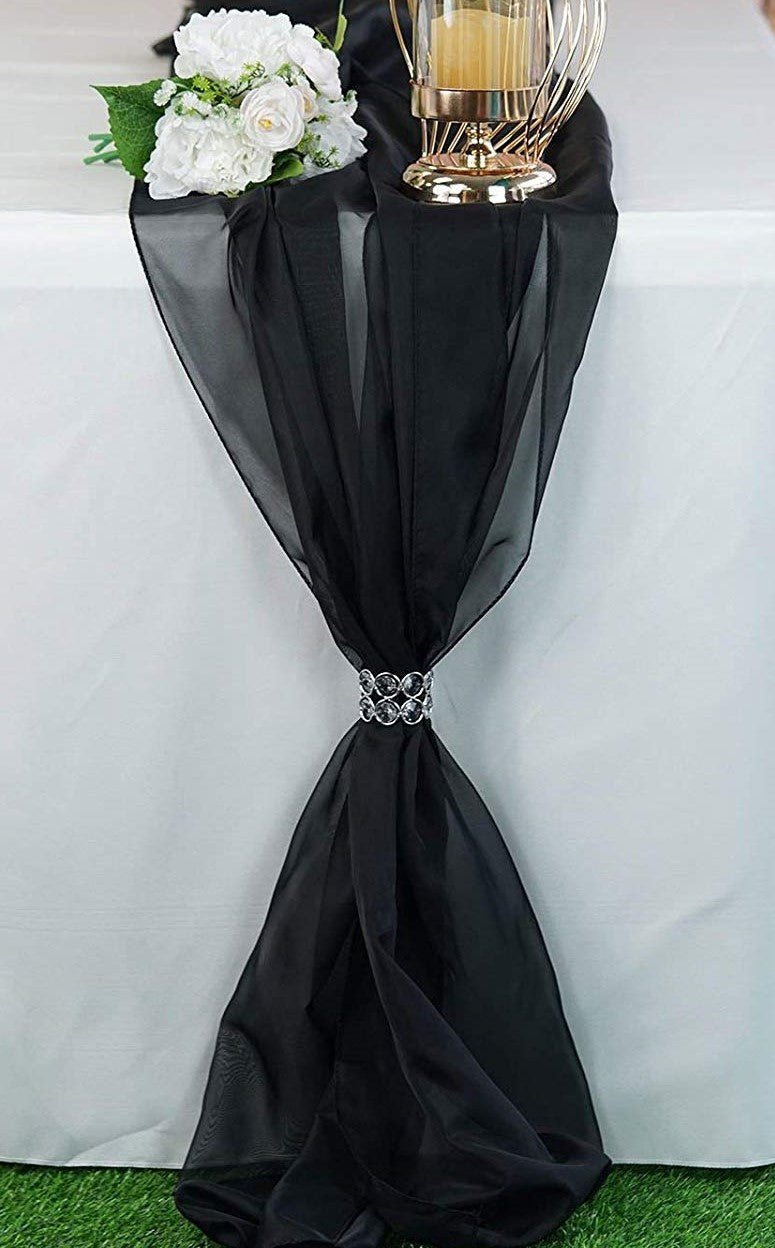
Fabric for table linens and backdrops lives or dies on drape and sheen. A sheer gauze runner creates that layered boho look, while a metallic lamé backdrop catches event lighting. Our Cheesecloth Cotton Gauze Table Runner, $39.95 for a 48-inch-wide, 5-yard piece, has a soft, crinkled texture and is listed as no-iron needed.

For wall decor, quilted wall hangings and fabric garlands are among the strongest texture trends for 2026, per craft trend reporting from My 100 Year Old Home. Our Tissue Lamé Fabric at $8.95 per yard adds reflective shine to backdrops, and our Acrylic Craft Felt at $15.95 per yard cuts into clean shapes for garlands.
Care, Pre-Treatment, and Buying the Right Yardage
Care and pre-treatment prevent the two failures that ruin finished projects: shrinkage and dye bleed. Wash and dry every washable fabric before cutting, exactly as you plan to clean the finished piece. Pre-washing cotton canvas and linen blends relaxes the weave and removes factory sizing. Natural-fiber wovens can shrink on the first wash, so cut after washing, not before. Dry the test piece the same way you will dry the finished item, a tumble-dry pillow cover and a line-dried curtain panel can shrink differently.
Read the care label before you buy, not after you sew. "Dry clean only" on a decorator fabric usually means the dye or finish is unstable in water; if you plan to machine wash, choose a fabric labeled washable. For stain removal, blot (never rub) a spill with a clean white cloth, test any cleaner on a hidden seam allowance, and treat protein stains like food or pet accidents with cold water first, hot water sets them. Keep a swatch of every fabric you sew so you can test cleaners later without risking the finished piece.
Buying yardage follows one formula. Measure the finished dimensions, add seam allowance and hem, then add 10 percent for pattern matching and shrinkage. Order all yardage at once, since dye lots shift between orders. For a deeper look at weight and yardage math, see our guide on how to calculate fabric weight.
Watch out: pattern repeats quietly blow up yardage. For a directional print with a 12-inch repeat, add one full repeat per cut length so motifs align across seams; for a large 24-inch repeat on curtains, that can mean an extra yard or more per panel. Fabric width matters too, a 60-inch bolt cuts two curtain panels from less yardage than a 44-inch one, so price the project by total square inches, not by the bolt's sticker price.
Explore Fabrics for Your Next DIY Home Decor Project
The best fabrics for DIY home decor projects are the ones matched to weight, width, and wear, not the ones with the prettiest photo. That is the whole game. Choose canvas for structure, linen blends for drape, minky for softness, and gauze for event styling, and your projects will hold up long after the trend cycle moves on.
New Creations Fabric & Foam Inc stocks the fabrics these projects call for, from Oeko-Tex certified cotton canvas and 72-inch felt to crushed organza, tissue lamé, and minky. Our collections deliver consistent color and refined finishes whether you are sewing one pillow or sourcing for a production run, and our team works with independent makers as readily as large buyers. Explore fabrics with New Creations Fabric & Foam Inc and start your next project with material you can trust.
Frequently Asked Questions
Which fabric is easiest to sew for DIY home decor projects?
Quilting cotton, cotton canvas, and polyester felt are the most forgiving for beginners. All three cut cleanly, hold a crease, and resist fraying. Polyester felt is non-woven, so it will not unravel at all when cut, which makes it ideal for no-sew wall decor and garlands. Cotton canvas at 10 oz gives you enough body for slipcovers and pillows without the stiffness that turns a home decor label fabric into a wrestling match at the machine.
What is the most durable fabric for DIY upholstery?
Heavy-duty cotton duck canvas and polyester blends hold up best against daily wear. A 10 oz cotton duck canvas carries a tear strength of 1000 N warp and 700 N weft, which is why it works for slipcovers, bench cushions, and tote-weight seating. For households with pets or children, polyester blends resist staining and pilling better than natural fibers. Check the GSM or ounce weight before buying to confirm it suits seating.
How do I choose the right fabric for throw pillows?
Match the fabric to where the pillow lives. For a sofa that gets daily use, choose 10 oz cotton canvas or a durable upholstery-weight blend. For a bedroom accent, minky or velvet adds softness without structural demands. For outdoor or high-traffic seating, look for fade-resistant and pilling-resistant finishes. Buy at least half a yard more than your pillow insert size to allow for seam allowance and pattern matching.
What should I do before sewing with new home decor fabric?
Pre-wash and pre-shrink natural fibers before cutting. Cotton canvas and quilting cotton can shrink on the first wash, which can pull seams if you skip this step. Wash in the same temperature you plan to use for cleaning, then tumble dry low. For sheer fabrics like organza, hand wash and dry flat instead. Always test a small swatch for color bleeding before washing a full cut.
How much fabric should I buy for curtains and table linens?
For curtains, multiply your window width by 2 to 2.5 for fullness, then add 8 inches per panel for hems. For table runners on a 6-foot table, a 5-yard length gives you generous draping and layering. Standard fabric width runs 44 to 60 inches, so measure your finished drop before ordering. Buy all yardage in one order: dye lots vary between batches, and colors ordered at different times may not match exactly.
