

Last Updated: November 16, 2026
Quick Summary
Digital fabric swatching evaluates materials through on-screen renderings, scans, and 3D simulation, while physical fabric swatching evaluates actual cut samples by hand. Designers use both: digital swatches narrow the field quickly and cheaply, and physical swatches close the deal by confirming color, hand feel, weight, and drape.
- A digital swatch reliably shows color family, print scale, pattern repeat, and surface appearance, but not hand feel or weight.
- Calibrate your primary review display with a hardware colorimeter and compare swatches on at least two devices.
- View physical swatches under daylight-balanced lamps or actual north daylight, never office lighting.
- Digital sampling wins on cost per evaluation but loses on cost per wrong decision, so break-even depends on production run size.
- Order physical swatches once your digital shortlist is down to three fabrics or fewer.
Table of Contents
- Digital vs Physical Fabric Swatches: The Core Trade-Off
- Digital Fabric Swatch Color Accuracy: What Screens Get Wrong
- Fabric Texture and Drape Evaluation: Where Physical Samples Win
- Fabric Sampling Cost and Lead Time: The Numbers Behind Each Approach
- The Fabric Swatch Approval Checklist for Hybrid Workflows
- Where Digital Swatching Falls Short: Limits Worth Planning Around
- Ordering Physical Swatches for Your Next Production Run
- Frequently Asked Questions
Digital vs Physical Fabric Swatches: The Core Trade-Off
Digital fabric swatching for designers is the practice of evaluating materials through on-screen renderings, scanned images, and 3D simulation; physical fabric swatching is the practice of evaluating actual cut samples by hand. Designers commonly use both: digital swatches narrow the field, physical swatches close the deal. A 2023 study on presenting fabrics in digital environments found that designers need specific, standardized information, photographs and written descriptions alike, to judge fabric online, which tells you the screen is a filter, not a verdict.
What Each Method Actually Tells You
A digital swatch tells you color family, print scale, pattern repeat, and general surface appearance. It tells you nothing reliable about hand feel, weight, or how the cloth moves. A physical sample tells you all of that, plus whether the fabric scratches, pills, or holds a crease. Here is the honest split:
| Question | Digital Swatch | Physical Swatch |
|---|---|---|
| Color direction | Good | Definitive |
| Print scale and repeat | Good | Definitive |
| Hand feel and weight | Poor | Definitive |
| Drape and stretch | Fair, if simulated | Definitive |
| Cost per evaluation | Near zero | Sample + shipping |
| Turnaround | Minutes | Days |
Digital Fabric Swatch Color Accuracy: What Screens Get Wrong
No screen renders color perfectly, and every monitor is calibrated differently. That is not a flaw in your workflow; it is a permanent condition you plan around. Color can vary between a product and your screen because of differences in computer monitors. Colors ordered at different times may also come from different dye lots and may not match exactly.
Why the Same Swatch Looks Different on Two Screens
Three mechanisms stack on top of each other. First, the display: an uncalibrated monitor can drift noticeably in brightness and white point, and a phone in daylight mode applies its own tone mapping. Second, the color space: an image tagged in one profile and viewed in another is interpreted differently, which is why a swatch photographed in a wide-gamut space can look dull or oversaturated depending on the viewer. Third, the light: fabric color is reflected light, so the same cloth reads differently under cool office LEDs, warm incandescent, and north-facing daylight. A screen emits light; fabric reflects it.
A Calibration and Lighting Routine That Works
Treat every screen as an unreliable narrator and build a routine that assumes it:
- Calibrate the primary review display with a hardware colorimeter on a regular schedule, and set a standard white point and brightness for review sessions.
- Compare the digital swatch on at least two devices, ideally one calibrated display and one phone, and note where they disagree.
- Ask for the manufacturer's own photography rather than marketplace re-uploads, and request images captured under consistent lighting.
- View physical swatches under a daylight-balanced lamp or actual north daylight, not office lighting, and compare them to the screen side by side.
- Request a physical test swatch before any custom print run, since a printer's guide to color accuracy in digital fabric printing describes the test swatch on the chosen fabric as the definitive check.
- Record the dye lot on every approved sample so reorders match, and keep the approved physical sample as the reference standard.
What to Ask a Supplier For
Ask for the color reference the mill actually uses, whether that is a physical standard, a Pantone textile reference, or a lab dip, and ask whether the digital image was color-managed or simply photographed. A supplier who can tell you the lighting and profile behind an image is giving you a more reliable swatch than one who cannot. When in doubt, the physical sample remains the arbiter: a screen can tell you the color family, but only cloth under real light tells you the color.
Fabric Texture and Drape Evaluation: Where Physical Samples Win
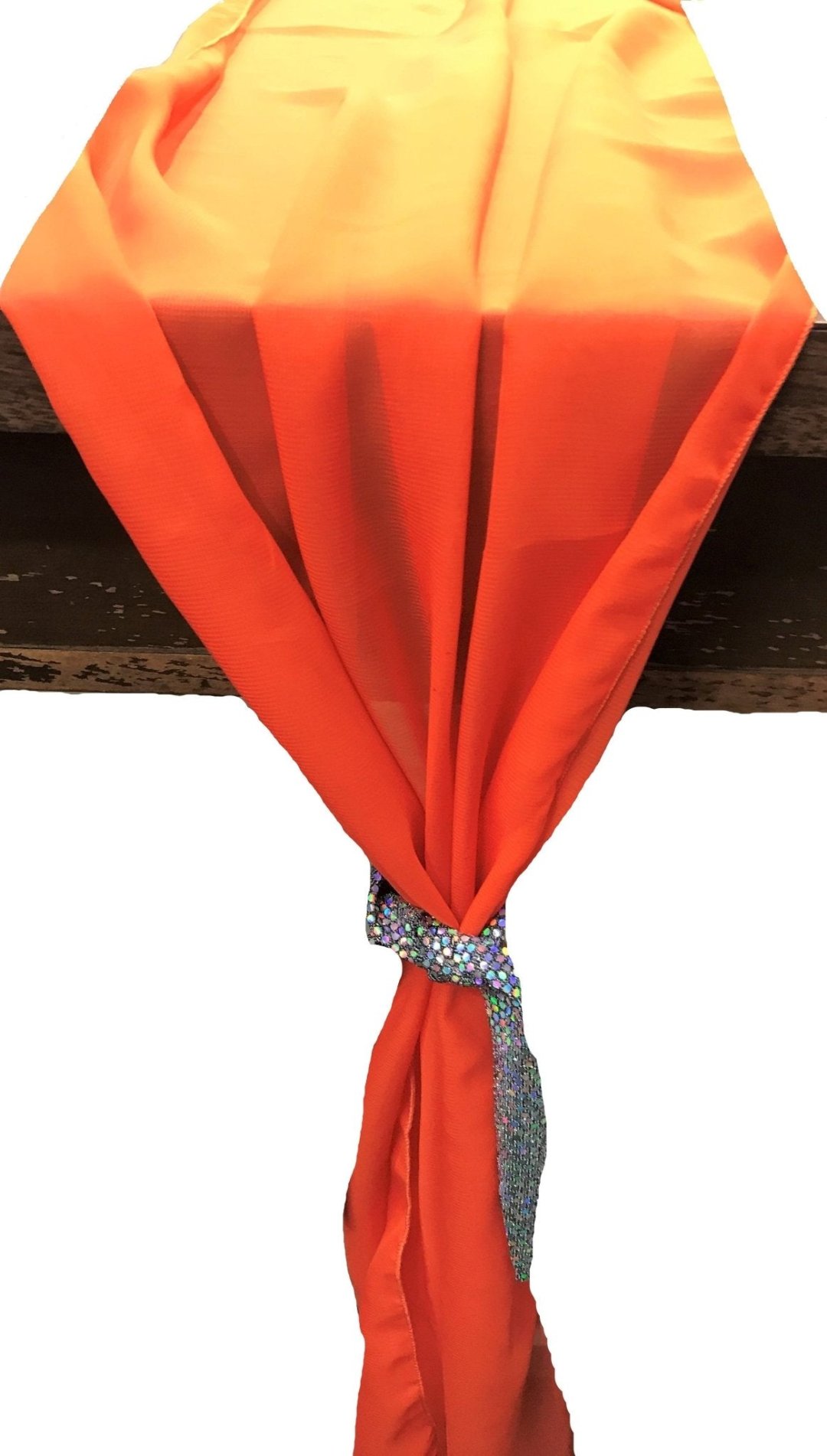
Texture and drape are the two qualities screens cannot carry, and they decide whether a garment hangs or collapses. A 2024 study on working with textile hand digitally noted the difficulty of translating hand feel into digital workflows, which is exactly the gap a physical sample fills. Hold a chiffon and you learn in two seconds what no photograph conveys: it is sheer, soft, and light against the skin.
Hand Feel, Weight, and Stretch in Practice
Weight and stretch behave in ways a spec sheet understates. Solid Sheer Chiffon Fabric is a lightweight, soft fabric suited to overlays and bridal work, while Polyester Poplin is a 100% polyester spun weave. Stretch changes everything about fit, which is why we point costume designers toward how stretch velvet performs in real costumes before they commit. If you are reading hand-feel descriptions rather than holding cloth, our guide to reading fabric hand feel descriptions will help you interpret them.
Fabric Sampling Cost and Lead Time: The Numbers Behind Each Approach
Digital sampling is often cheaper and faster on paper, while physical sampling costs more but can prevent expensive mistakes. The useful version of that claim is a line-item comparison with stated assumptions, because most articles assert the savings without showing where they come from. SGS on fabric digitization describes removing the need to manufacture and share physical samples as a core advantage of digital fabric samples, though it quantifies no savings. Here is how to build the comparison yourself.
The Cost Buckets to Compare
Put every sampling approach through the same five buckets so the comparison is honest:
- Sample material. Physical swatches are usually sold by the yard or as cut swatch cards; a single yard of a mid-weight woven typically runs in the low-to-mid teens per yard at retail, and swatch cards are often priced per card or bundled. Digital assets are priced as software seats, per-asset library fees, or scanning labor.
- Shipping and handling. Every physical round carries a shipping charge and a transit window; domestic ground is commonly a few business days, and expedited or international shipping multiplies both cost and time. Digital delivery is near-instant but depends on file size and platform.
- Labor. Someone has to pull, cut, label, pack, and log physical swatches, and someone has to scan, color-correct, and tag digital ones. Digital labor is front-loaded; physical labor recurs with every round.
- Software and equipment. A calibrated display, a colorimeter, and a 3D material tool carry upfront and subscription costs that a physical-only workflow does not.
- Revision cost. This is the bucket that decides the argument. A wrong physical sample costs one more sample round; a wrong digital approval can cost a production run.
Turnaround in Real Terms
A digital shortlist can be assembled quickly because the constraint is review time, not transit. A physical round is bounded by order processing, packing, and shipping, so it generally takes days rather than hours.
The Break-Even Logic
Digital sampling wins on cost per evaluation and loses on cost per wrong decision. Small brands weighing that trade-off should understand how minimum order quantities affect production budgets before locking a fabric, because a high MOQ raises the cost of being wrong and shifts the math toward physical proofing.
Watch out: treating digital sampling as automatically cheaper ignores the software seats, scanning labor, and calibration equipment that make a digital library trustworthy in the first place.
The Fabric Swatch Approval Checklist for Hybrid Workflows
A fabric swatch approval checklist is a short, written set of checks a sample must pass before it moves to production. Use this one for every hybrid workflow:
- Digital shortlist narrowed to three fabrics or fewer
- Physical swatch ordered for each finalist
- Color checked under daylight, not office lighting
- Hand feel, weight, and stretch confirmed by hand
- Drape tested on a dress form or mannequin
- Dye lot number recorded on the approval sheet
- Care and cleaning method confirmed
- Production quantity and reorder lead time verified
Approval Checkpoints by Project Stage
Set checkpoints so nothing slips: concept stage uses digital swatches only; design development requires a physical swatch for every finalist; pre-production requires a signed approval sample with dye lot recorded; production reorders require a match against that approved sample.
Where Digital Swatching Falls Short: Limits Worth Planning Around
Digital swatches cannot fully replace physical ones, and pretending otherwise costs money. Canvas Etc's guide to fabric swatches notes that digital swatches are convenient but cannot replicate examining a physical swatch. Add device variability, missing tactile data, and dye-lot drift, and the limits are clear: digital narrows, physical confirms. RFID-based sample management systems have been studied since 2009 precisely because tracking physical swatches through iterative evaluation is real work, per research on RFID sample management.
Ordering Physical Swatches for Your Next Production Run
Order physical swatches once your digital shortlist is down to three fabrics, and order early enough to absorb shipping time. Iridescent Organza at $14.95 and Charmeuse Satin at $14.95 are sold by the yard, and multiple yards ship in one continuous piece. Ready to move from screen to hand? Shop stretch double knit fabric by the yard or buy stretch taffeta by the yard and judge the cloth yourself.
The gap between a beautiful screen image and the fabric on your table is where production timelines die. We close that gap with fabrics built for consistent, refined finishes at scale, from sequins and velvet to faux fur, and we ship real samples so you approve what you will actually sew. Get started with New Creations Fabric & Foam Inc and approve your next fabric with confidence.
Frequently Asked Questions
Are digital fabric swatches accurate enough for production decisions?
For narrowing the field, yes. A 2023 study on digital fabric presentation found that photographs and written descriptions can guide designers toward the right materials when the information is structured well. For final approval, no. Digital swatches cannot replicate hand feel, drape, or exact color under your lighting. Use digital swatches to shortlist and physical samples to sign off, especially before a production order.
How do digital and physical fabric swatches compare for color accuracy?
Physical swatches show the true dye lot under real lighting, while digital images vary by monitor. Even a well-calibrated screen can shift a color slightly, and fabric suppliers note that colors ordered at different times come from different dye lots and may not match exactly. Request a physical swatch whenever color matching matters, and keep a reference swatch on file for reorders.
Can digital fabric swatches show texture and drape?
Only partially. Digital swatches can suggest surface appearance, print scale, and pattern repeat, but they cannot convey hand feel, weight, or how a fabric moves on a body. Research on textile hand notes that working with material feel digitally remains a challenge. For garments where drape decides the silhouette, such as chiffon or charmeuse satin, a physical sample is still the reliable test.
How can designers reduce fabric sampling costs and delays?
Screen digitally first, then order physical swatches only for the two or three fabrics you are seriously considering. Consolidate swatch requests into one order per supplier to cut shipping costs, and start sampling earlier in the design calendar so production lead time does not absorb the delay.
What should designers check before approving a fabric sample?
Run a fabric swatch approval checklist: confirm color against your reference under daylight and indoor light, check hand feel and weight, test drape and stretch on a dress form or mannequin, inspect the print scale and pattern repeat, and verify width and fiber composition. Note the dye lot number, then order production yardage in one continuous piece so the batch stays consistent.
