

Table of Contents
- What Makes Professional Fabric Different
- Cost-Per-Wear vs. Long-Term Durability
- Signs of High Quality Fabric
- How to Verify Fabric Drape Online
- Fabric Durability Testing Methods
- Hidden Costs of Cheap Fabric
- When Professional Fabric Pays for Itself
- Frequently Asked Questions
Last Updated: September 3, 2026
What Makes Professional Fabric Different
Professional fabric isn't just a marketing term. The difference comes down to fiber composition, construction methods, and finishing processes that separate materials built to perform from those designed to look good once.
When you compare professional-grade textiles to budget alternatives, you're looking at several measurable factors. Fiber content matters first. Professional fabrics often use higher percentages of natural fibers like cotton or blended compositions engineered for specific performance characteristics. The weave density determines how tightly fibers are interlocked, which directly affects durability and drape. A tighter weave resists pilling, fraying, and color fading. Thread count and construction quality also influence how a fabric behaves under stress and repeated washing.
At New Creations Fabric & Foam Inc, we source materials with attention to these technical specifications. Our polyester poplin fabrics, for example, are engineered to withstand professional cleaning detergents and repeated laundering without degradation. This matters when you're producing garments at scale or creating event décor that needs to survive multiple uses.

The finishing process separates professional fabrics from commodity options. Treatments applied during manufacturing affect how fabric performs. A quality finish improves colorfastness, reduces shrinkage, and enhances the fabric's natural drape. Budget fabrics often skip these steps, which means color bleeds in the wash, seams pucker, and the material loses its intended shape.
Cost-Per-Wear vs. Long-Term Durability
The real measure of fabric value isn't the price tag. It's cost-per-wear over the garment's actual lifespan.
A $15 yard of budget fabric might seem cheaper than $30 professional-grade material. But if the budget option pills after five wears and loses color after ten washes, you're looking at replacing it constantly. The professional fabric that costs twice as much but lasts five times longer delivers dramatically better value.
This calculation changes depending on your use case. Event planners ordering tablecloths for recurring events benefit immediately from durability. A single order of professional fabric can service dozens of events over years, while budget alternatives require replacement after a handful of uses. Fashion designers working with clients who expect longevity can justify premium pricing because the garments hold up to wear and cleaning.
For DIY projects and personal sewing, the equation shifts. A one-time quilt using budget cotton might be perfectly acceptable if you're making it for yourself and don't anticipate heavy use. But if you're a costume designer creating pieces for theater productions that see repeated performance and cleaning, professional-grade fabrics become essential. Stage costumes endure sweat, movement, and frequent laundering. Cheap fabric fails visibly under those conditions.
The hidden cost of cheap fabric appears in production timelines. When fabric shrinks unpredictably or warps during construction, you waste time adjusting patterns and redoing seams. Professional fabrics with controlled shrinkage and stable dimensions reduce rework. For manufacturers working on tight deadlines, that efficiency translates directly to lower labor costs.
Signs of High Quality Fabric
High-quality fabric displays specific visual and tactile characteristics that reveal how it was made.
The weave should be tight and consistent. Run your hand across the surface. A quality weave feels smooth without loose fibers catching. If you can see through the fabric when held to light, the weave is too loose for professional use. The threads should sit evenly without gaps or irregular spacing.
Color consistency matters significantly. Professional fabrics maintain uniform color throughout the bolt. Budget alternatives often show color variation between rolls or even within a single roll. This inconsistency signals dyes weren't properly set or the dyeing process wasn't controlled. When you're manufacturing at scale, color variation becomes a production nightmare.
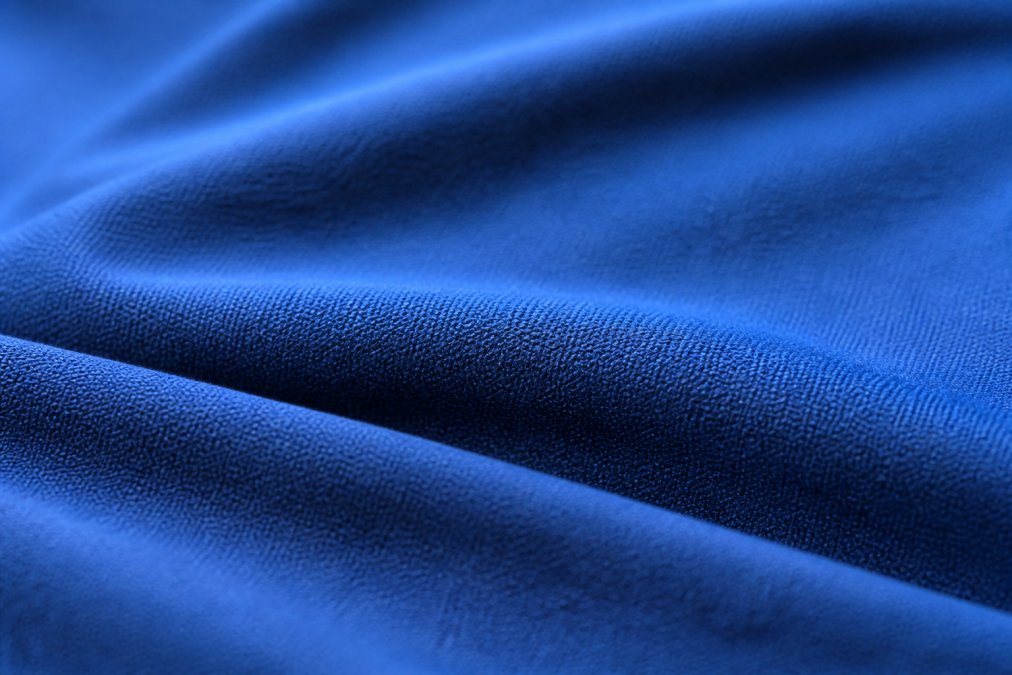
The fabric's drape tells you about fiber quality and finishing. Hold a swatch vertically. Does it fall smoothly with natural movement, or does it bunch awkwardly? Professional fabrics drape predictably because the fibers and finishes are engineered for specific movement characteristics. Cheap fabric either hangs stiffly or collapses without shape.
Edge finishing is another indicator. Professional fabrics are typically finished at the selvage (the finished edge) to prevent fraying. Budget materials often have rough, unfinished edges that fray immediately. When you're cutting patterns or sewing seams, a finished edge means less waste and cleaner construction.
Weight consistency across the bolt indicates controlled manufacturing. Professional fabrics maintain consistent weight per square yard, which means predictable behavior in garment construction. Budget fabrics vary, causing seams to pucker in some areas and sit loosely in others.
How to Verify Fabric Drape Online
Evaluating drape remotely is challenging but possible with the right approach.
Request swatch samples before committing to bulk orders. Most professional suppliers, including New Creations Fabric & Foam Inc, will send samples so you can assess color, weight, and drape in person. When you receive samples, handle them the way you'll use the final fabric. If you're making formal wear, try pinning a swatch to a dress form. If you're creating event décor, drape it over furniture to see how it moves.
Video demonstrations matter more than static photos. Ask suppliers for short videos showing the fabric in motion. A professional fabric supplier will provide this because they know drape is a critical decision factor. Watch how the fabric moves when manipulated. Does it flow smoothly or resist movement? Does it return to shape or hold creases?
Ask specific questions about fiber content and finishing. A supplier confident in their fabric will provide detailed specifications. They can explain what finishes are applied and how those finishes affect drape. Budget suppliers often can't answer these questions because they don't control the manufacturing process.
Look for fabric weight specifications listed in grams per square meter (gsm) (iso.org). This number directly influences drape. Heavier fabrics (over 200 gsm) typically drape differently than lightweight options (under 150 gsm). Knowing the weight helps you predict how the material will behave in your project.
Check return policies. Professional suppliers understand that drape assessment requires handling physical fabric. They offer returns or exchanges if the material doesn't meet expectations. This policy exists because they're confident in their product quality.
Fabric Durability Testing Methods
Understanding how fabric is tested reveals what "professional-grade" actually means.
Tensile strength testing measures how much force a fabric can withstand before tearing. Professional fabrics are tested to specific standards that ensure they won't tear during normal use. This test involves pulling fabric in both directions until failure, measuring the force required. Budget fabrics often fail these tests at significantly lower force thresholds.
Abrasion resistance testing simulates wear over time. The Martindale test, a standard method in textile evaluation, rubs fabric against itself repeatedly and measures how many cycles it takes for visible damage to appear (peer-reviewed research). Professional fabrics withstand thousands of cycles (astm.org). Budget alternatives show pilling and fiber breakdown after hundreds of cycles.
Colorfastness testing evaluates how well dyes remain stable. Fabric is exposed to light, washing, and perspiration under controlled conditions. Professional fabrics maintain color consistency through these tests. Budget fabrics show significant fading or color bleeding.
Shrinkage testing predicts how fabric will behave in laundering. Fabric is washed and dried according to standard protocols, then measured to determine shrinkage percentage. Professional fabrics are engineered to shrink minimally and predictably. Budget alternatives often shrink unpredictably, which wreaks havoc on garment fit.
Pilling resistance testing measures how easily fiber balls form on the surface during use. A professional fabric resists pilling because the weave is tight and fibers are well-secured. Budget fabrics pill easily because loose fibers break free and ball up.
When evaluating suppliers, ask what testing standards they follow. Reputable manufacturers reference specific test methods and can provide test results. This transparency indicates they stand behind their materials.
Hidden Costs of Cheap Fabric
The lowest price rarely delivers the lowest total cost.
Shrinkage surprises are common with budget fabric. You order 100 yards for a production run, cut patterns based on expected dimensions, and the fabric shrinks unpredictably during first wash. Suddenly your garments don't fit. You've wasted material, labor, and time. Professional fabric is tested for shrinkage, so you can account for it in your patterns.
Color bleeding creates liability issues. When cheap fabric dyes aren't properly set, colors transfer to other garments or surfaces during washing. If you're producing garments for clients, color bleeding ruins your reputation. Professional fabrics use stable dyes that won't bleed.
Seam failure happens when cheap fabric tears along stitching lines. The material is too weak to support seam tension. This is particularly problematic in high-stress areas like armholes or waistbands. You end up with garments that fail during customer use, leading to returns and refunds.
Inconsistent batches mean you can't maintain quality standards. One order of cheap fabric might perform acceptably. The next order from the same supplier looks and feels completely different. For manufacturers, this inconsistency is a nightmare. You can't guarantee your customers receive consistent products.
Waste from poor quality compounds costs. When fabric pills, shrinks unpredictably, or tears during construction, you lose material. A 10% waste rate on cheap fabric quickly exceeds the savings from the lower purchase price.
Time investment in rework adds hidden labor costs. When seams pucker or fabric behaves unexpectedly, your team spends time troubleshooting and fixing problems. That labor cost isn't captured in the initial fabric price but directly impacts your profitability.
When Professional Fabric Pays for Itself
Professional fabric becomes the obvious choice in specific scenarios.
Production timelines benefit immediately. When fabric behaves predictably, construction moves faster. Fewer rework cycles mean faster turnaround. For businesses where speed-to-market matters, professional fabric's reliability justifies the premium.
Repeat orders and recurring use scenarios favor professional fabrics. Event planners ordering tablecloths and linens for multiple events each year see immediate ROI. A single investment in quality fabric serves dozens of events before replacement becomes necessary.
Custom garment production for clients demands professional materials. Tailors and seamstresses creating bespoke pieces can't afford material failure. Clients expect garments that last years, not months. Professional fabric delivers that expectation.
Costume design for performance requires durability. Stage costumes endure movement, sweating, and frequent cleaning. Budget fabric fails visibly under these conditions. Professional fabrics maintain appearance and integrity through entire production runs.
Small-batch fashion brands build reputation on consistency. When your brand is known for quality, using professional fabrics protects that reputation. One batch of garments made from cheap fabric that falls apart damages customer trust permanently.
Quilting projects with heirloom intentions justify professional-grade cottons. If you're creating a quilt intended to last generations, the fabric quality directly determines longevity. Professional quilting cottons maintain color and structural integrity far longer than budget alternatives.
Manufacturing at any scale benefits from material consistency. Whether you're producing 50 units or 5,000 units, professional fabric's predictability reduces waste and rework costs, directly improving margins.
Choosing between professional and budget fabric ultimately depends on your specific use case and timeline expectations. For one-time projects with minimal performance requirements, budget options might suffice. But for production environments, custom garment work, or projects where durability matters, professional fabric delivers measurable value that extends far beyond the initial purchase price.
At New Creations Fabric & Foam Inc, our polyester poplin fabrics are engineered for exactly these professional scenarios. Our premium woven polyester poplin fabric options start at $7.95 per yard and deliver the consistency, refined finishes, and durability that manufacturers and designers depend on. Whether you're sourcing for apparel production, event décor, or custom projects, we provide the textile quality that justifies professional pricing through reliable performance and reduced waste.
Explore our fabric collections and request samples to assess quality firsthand. The difference between professional and budget fabric becomes obvious the moment you handle both materials side by side.
Frequently Asked Questions
Q: What is a reasonable price for professional fabric?
A: Professional fabric typically ranges from $8 to $20+ per yard depending on fiber content, weave density, and finish treatments. Budget alternatives often cost $3-6 per yard but lack the durability and consistency of professional-grade textiles. Premium polyester poplin, for example, costs around $7.95 to $12.99 per yard and withstands professional cleaning detergents and repeated laundering without degradation. The price reflects superior fiber quality, tighter weave construction, and refined finishes that extend the garment's lifespan significantly.
Q: How can I tell if a fabric is high quality without seeing it in person?
A: Look for specific technical indicators: thread count (higher density indicates tighter weaves), fiber content percentages, weight in grams per square meter (gsm), and weave type. Request swatch samples before bulk ordering, legitimate suppliers provide them. Check product descriptions for abrasion resistance ratings, colorfastness standards, and care instructions that mention professional cleaning compatibility. Review photos showing the weave structure and drape behavior. Professional suppliers clearly document fabric composition and performance characteristics rather than using vague marketing language.
Q: Does professional fabric last longer than budget alternatives?
A: Yes, significantly. Professional fabric undergoes stricter quality control during manufacturing, resulting in consistent fiber quality and weave density throughout every yard. Budget fabrics often have loose weaves, weak fibers, or inconsistent construction that leads to pilling, fraying, and color fading within months. Professional-grade textiles maintain their drape, color vibrancy, and structural integrity through dozens of wash cycles. For apparel manufacturers and event planners, this translates to fewer replacement orders, better customer satisfaction, and lower cost-per-wear over a garment's lifetime.
Q: What are the hidden costs of buying cheap fabric?
A: Cheap fabric creates downstream expenses: higher defect rates requiring rework or scrap, color variations between batches forcing reordering, poor drape requiring extensive alterations, and rapid deterioration leading to customer complaints and returns. For production-scale operations, these issues compound, a single batch of substandard fabric can delay timelines, damage brand reputation, and force emergency reordering at premium rates. Professional fabric eliminates these hidden costs through consistency and durability, making the higher upfront price economical over time.
This article was written using GrandRanker